Africa Travel Guide

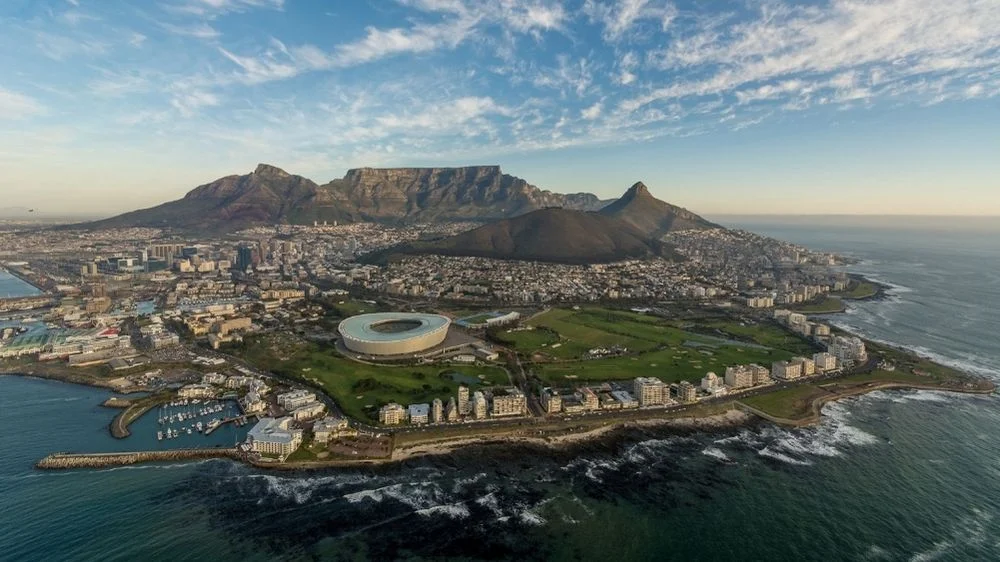

Africa is a continent of superlatives: the world’s largest desert, the longest river, and wildlife spectacles that reset your sense of wonder. From Morocco’s spice-scented medinas to South Africa’s vineyard-framed coasts, Africa invites you to slow down, look closer, and connect whether through music, markets, or the quiet thrill of sunrise on the savannah.
When to Visit Africa
Because Africa spans so many climates, “best time” depends on where you’re heading. For classic safaris in Southern Africa (Kruger, Chobe, Okavango), the dry season from May to October brings thinner vegetation and reliable wildlife viewing. East Africa’s Great Migration peaks June–October (river crossings often July–August), while shoulder months (January–March) can be superb for birding and calving season. North Africa (Morocco, Egypt, Tunisia) is delightful in spring (March–May) and autumn (September–November) when it’s warm but not scorching. Indian Ocean islands (Zanzibar, Seychelles, Mauritius) shine in the dry, breezy months of May–October. If you’re chasing surf (Morocco, Senegal, South Africa), winter swells can be incredible, though cooler. Want the nuances by region? Don’t miss our deep dive in the Best Time to Visit Africa guide.
How to Get to Africa
Major gateways like Johannesburg (JNB), Nairobi (NBO), Addis Ababa (ADD), Cairo (CAI), Casablanca (CMN), and Lagos (LOS) offer extensive connections from Europe, the Middle East, and North America. Many travelers route via hubs such as Istanbul, Doha, Dubai, Paris, Amsterdam, and London. Within Africa, reliable regional networks link safari capitals and beach escapes sometimes with short scenic hops on light aircraft. Check visa and eVisa options country by country (requirements vary widely), and review health entries such as yellow fever vaccination for select routes. For a smooth routing plan with sample itineraries and visa tips, see our How to Get to Africa article.
What to Do in Africa
- Go on a Big Five safari in Kruger, Masai Mara, Serengeti, Chobe, or Etosha sunrise game drives and starlit campfires included.
- Witness Victoria Falls from Zimbabwe or Zambia; add a sunset Zambezi cruise or microlight flight.
- Hike iconic peaks: Table Mountain’s panoramas, Mount Kenya’s alpine lakes, or a multi-day trek on Kilimanjaro.
- Lose yourself in the medinas of Marrakech and Fes riads, rooftops, and labyrinthine souks.
- Sail the Nile by felucca and explore ancient temples in Luxor and Aswan.
- Camp under Saharan skies in Morocco or Tunisia camel trekking by day, galaxies by night.
- Unwind on powdery beaches in Zanzibar, the Seychelles, or Mauritius; snorkel over technicolor reefs.
- Discover rock-hewn wonders in Lalibela, Ethiopia, and the castles of Gondar.
- Track mountain gorillas in Rwanda or Uganda small-group permits for an unforgettable hour.
- Taste and tour wine country around Stellenbosch and Franschhoek; pair with Cape Peninsula road trips.
What to Eat in Africa
Africa’s kitchens are proudly regional and deeply comforting. In West Africa, try jollof rice, suya (spiced skewers), and waakye; North Africa tempts with tagines, couscous, and pastilla; the Horn of Africa serves injera with fragrant wat stews; Southern Africa brings bobotie, braai culture, and biltong; along the coasts, feast on peri-peri seafood and spice-laden grills. Street food is part of the story, think bunny chow in Durban or fresh msalafù fish in Zanzibar. Hungry for a curated list by region and city? Dive into our What to Eat in Africa guide.
What to Buy from Africa
Take home pieces with a story: kente textiles from Ghana, Maasai beadwork from Kenya/Tanzania, Tuareg silver from the Sahara, Moroccan rugs and ceramics, Ethiopian coffee beans, shea butter from West Africa, hand-carved masks and sculptures from Central and Southern Africa, batik prints, and gemstones like tanzanite (Tanzania). Learn how to spot quality, support cooperatives, and ship safely in our What to Buy in Africa guide.
Africa Nightlife
From Lagos (Afrobeats temples and rooftop lounges) to Johannesburg (Braamfontein bars and Maboneng art hubs), Cape Town (Long Street to sea-view cocktail spots), Accra (Osu’s live-music scene), Nairobi (Westlands clubs and jazz nights), and Marrakech (DJ-led rooftops and garden lounges), nights are social and stylish. Weekends fill fast book tables for top venues. For curated hotspots and dress codes, check our Africa Nightlife article.
Africa Festivals & Fairs
| Festival/Fair | Month | Description |
|---|---|---|
| Timkat (Ethiopia) | January | Epiphany celebrations with processions, music, and river blessings in Gondar & Lalibela. |
| Cape Town International Jazz Festival (South Africa) | March/April | One of Africa’s biggest jazz gatherings with global headliners. |
| FESPACO (Burkina Faso) | February (biennial) | Prestigious Pan-African film festival in Ouagadougou. |
| Nyege Nyege (Uganda) | Sept/Oct | Electronic and global bass festival on the Nile. |
| Marrakech International Film Festival (Morocco) | November | Red-carpet premieres and masterclasses. |
| Festival of the Sahara, Douz (Tunisia) | December | Desert culture camel races, music, and folklore. |
Africa Key Days & Holidays
| Date | Observance |
|---|---|
| January 1 | New Year’s Day (continent-wide). |
| January 7 | Orthodox/Coptic Christmas (Egypt, Ethiopia, Eritrea). |
| Variable (April/May) | Eid al-Fitr (Muslim-majority countries; date varies by lunar calendar). |
| May 25 | Africa Day (commemorates the founding of the OAU/AU). |
| Variable (June/July) | Eid al-Adha (date varies). |
| September 11/12 | Enkutatash (Ethiopian New Year). |
| December 25 | Christmas Day (many countries). |
Tip: Each country also has its own independence day and national observances check local calendars when planning.
Things to Know Before You Go
- Health & vaccines: Verify routine shots; consider yellow fever (where required) and malaria prophylaxis in risk zones. Pack a basic medical kit.
- Travel insurance: Essential for remote safaris and adventure activities.
- Money: Cards work in cities; carry cash (local currency or USD/EUR) for markets and rural areas. ATMs are common in hubs.
- Connectivity: Local SIMs/eSIMs are affordable; coverage can be spotty on safari download maps offline.
- Cultural respect: Dress modestly in conservative areas; always ask before photographing people.
- Wildlife etiquette: Keep distance, follow guide instructions, and never feed animals.
- Transport savvy: Distances are vast plan buffer days for connections and weather.
- Safety: Use registered guides and reputable operators; keep valuables minimal and secure.
- Permits & drones: Gorilla trekking and some parks require advance permits; drone use is restricted in many countries.
- Sustainability: Choose lodges with community projects and conservation credentials.
Whether you’re after dune horizons, reef blues, or the drumbeat of city nights, Africa rewards curiosity with moments that stick. If you’re plotting your first (or fifth) itinerary, jump into our Places to Visit in Africa guide for route ideas that thread safaris, cities, and coasts into one unforgettable journey.