Turkey Travel Guide

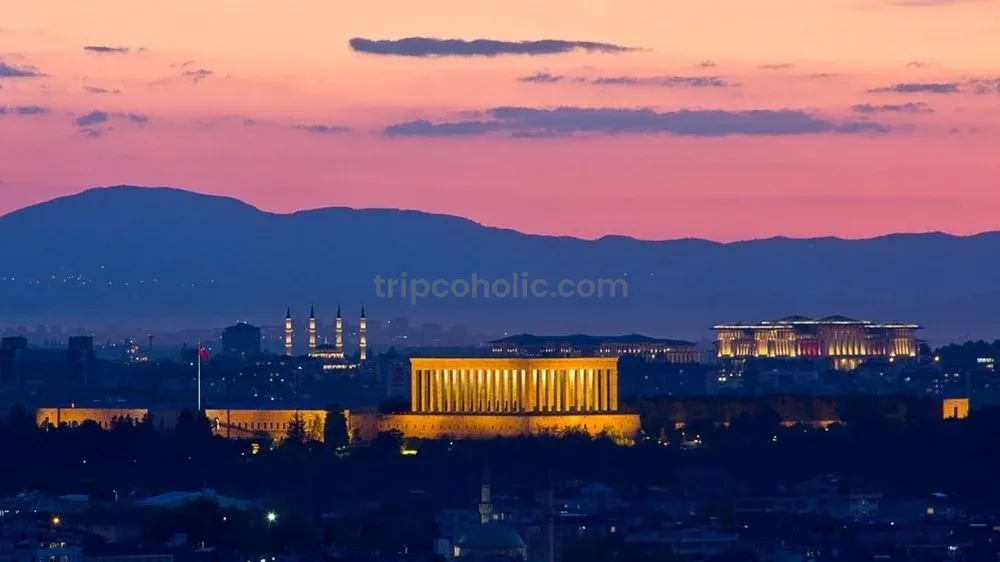

Turkey sits where Europe meets Asia, a mosaic of ancient ruins, vibrant bazaars, turquoise coasts and high Anatolian plateaus. Istanbul’s minarets pierce the skyline, Cappadocia’s fairy chimneys glow at sunrise, and the Aegean lures with olive groves and slow seaside towns. Whether you chase history in Ephesus, food in Gaziantep or hikes along the Lycian Way, Turkey rewards curious travelers with warmth, flavor and scenery in generous measure.
When to Visit Turkey
Spring from April to June brings mild weather, blooming valleys and fewer crowds, ideal for city hopping and Cappadocia ballooning. Autumn from September to early November offers clear skies, warm seas along the Mediterranean, grape harvests in Thrace and comfortable temperatures for ruins and road trips. July to August is beach season on the Aegean and Mediterranean, yet hot inland. Winter is quiet and budget friendly, great for museums, Black Sea tea country moods and skiing in Uludağ or Erciyes. Curious for a month by month breakdown and festival timing? Read the full guide to When to Visit Turkey for insider tips.
How to Get to Turkey
Most travelers fly into Istanbul Airport on the European side or Sabiha Gökçen on the Asian side, with strong connections from Europe, the Middle East, North America and Asia. Izmir and Antalya also host seasonal international flights, especially in summer. Overland routes connect from Greece and Bulgaria by bus or car, and from Georgia and Iran via long haul buses or private transfers. High speed trains link Istanbul to Ankara and Konya, with dense domestic flight networks covering the rest. Want step by step routes, budget options and smart layover ideas? See the complete How to Get to Turkey guide.
What to Do in Turkey
- Wander Istanbul’s historic peninsula, then ferry to Kadıköy for cafés, markets and sunset on the Bosphorus.
- Float over Cappadocia at dawn in a hot air balloon, then hike the Rose, Love or Ihlara valleys.
- Trace antiquity in Ephesus, Pergamon and Hierapolis, pairing ruins with the thermal terraces of Pamukkale.
- Drive the Turquoise Coast, swim in hidden coves near Kaş and Kekova, sail on a gulet and walk a leg of the Lycian Way.
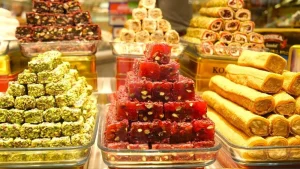
- Taste your way through Gaziantep, trying baklava, kebabs and pistachio everything at authentic lokantas.
- Explore the surreal travertines of Pamukkale and soak in antique pools framed by fallen columns.
- Head to the Black Sea for lush tea plantations in Rize, wooden highland plateaus called yaylas and smoky corn breads.
- Discover Anatolian spirit in Konya’s Mevlevi culture, Sille village and whirling dervish ceremonies.
- Ski in Uludağ near Bursa or Erciyes near Kayseri, then warm up with salep and chestnuts.
- Shop and eat in Alaçatı or Bodrum, then chase golden hour among windmills and stone lanes.
What to Eat in Turkey
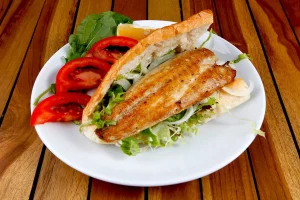
Turkish cuisine is regional and seasonal, built on olive oil, vegetables, grains and open fire. In Istanbul start with simit and Turkish tea, then try meze spreads with ezme, haydari and fava. Along the Aegean look for herb forward zeytinyağlı dishes and seafood like levrek and kalamar. In the southeast savor Urfa or Adana kebab, lahmacun, içli köfte and katmer. Central Anatolia brings manti and tandır, while Black Sea menus glow with hamsi and mıhlama. Sweet finishes include baklava, künefe and sütlaç, with Turkish coffee or a glass of rakı to linger. Hungry for a city by city food map and restaurant picks? Dive into What to Eat in Turkey for a delicious deep dive.
What to Buy from Turkey
Pack home hand knotted carpets or kilims, İznik inspired ceramics, copperware from Gaziantep, olive oil soaps from Ayvalık, pestil and lokum, sumac and isot pepper, leather sandals from Bodrum, and artisan evil eye glass charms from Nazarköy. Markets like Istanbul’s Grand Bazaar or Kemeraltı in Izmir are ideal for browsing, yet do learn the difference between handmade and machine made, natural dyes and synthetics, and always ask for shipping and certificate details. Want a smart shopper checklist plus the best bazaars by region? Check the What to Buy in Turkey guide.
Turkey Nightlife
From rooftop bars in Karaköy to meyhanes in Beşiktaş, Istanbul sets the pace with craft cocktails, live Turkish classical and indie venues in Kadıköy. Summer towns like Bodrum, Alaçatı and Çeşme buzz with beach clubs by day and DJ sets after sunset. Antalya mixes harbor pubs with open air concerts, while Ankara thrives on jazz houses and rock bars. Prefer hidden wine bars, rakı meyhanes with fasıl or electronic nights by the sea? Explore the full Turkey Nightlife guide for curated spots and local etiquette.
Turkey Festivals and Fairs
| Festival or Fair | Month | Description |
|---|---|---|
| Istanbul Film Festival | April | Long running international cinema program across historic theaters. |
| Hidrellez | May | Spring welcome celebrated with music, fires and wishes on both sides of Istanbul and in Thrace. |
| Cappadox | May or June | Art, music and gastronomy across Cappadocia’s valleys, sunrise to stargaze. |
| Şirince Vintage Wine Fest | June | Boutique wine tastings, folk music and village feasts near Ephesus. |
| International Bodrum Ballet Festival | July to August | Open air ballet and contemporary dance by the castle. |
| Aspendos Opera and Ballet | June to September | Grand performances in a Roman theater near Antalya. |
| Istanbul Biennial | Variable, usually autumn | Contemporary art taking over warehouses and waterfronts. |
| Rize Tea Festival | Summer | Tea harvest traditions, tastings and music in the Black Sea highlands. |
Turkey Key Dates and Holidays
| Date | Event |
|---|---|
| 1 January | New Year’s Day, national holiday. |
| 23 April | National Sovereignty and Children’s Day. |
| 1 May | Labor and Solidarity Day. |
| 19 May | Commemoration of Atatürk, Youth and Sports Day. |
| 15 July | Democracy and National Unity Day. |
| 30 August | Victory Day. |
| 29 October | Republic Day, major parades and fireworks. |
| Variable, 2 to 4 days | Ramadan Bayram, Eid al Fitr. |
| Variable, 4 days | Kurban Bayram, Eid al Adha. |
Things to Know Before You Go in Turkey
- Dress modestly when entering mosques, carry a light scarf and remove shoes at the door.
- Tap water is generally safe for brushing teeth, drink bottled or filtered water to be cautious.
- Cash is useful in small towns, cards are widely accepted in cities, try to keep small change for taxis and markets.
- Taxis use meters in major cities, check the route on your phone and prefer reputable apps.
- Domestic flights are affordable for long distances, high speed trains are comfortable between key hubs.
- SIM cards can be purchased at airports or city centers, register your device if staying long term.
- Respect prayer times, ask before photographing people, especially in rural areas and markets.
- Summer sun is strong on the coasts, pack sunscreen, a hat and plenty of water for ruins and hikes.
- Learn a few Turkish phrases, a simple “teşekkürler” earns real smiles.
Turkey blends layers of civilizations with everyday pleasures, from tea gardens to sunset ferries. If you love journeys that mix culture, coastlines and cuisine, this country belongs on your shortlist. Ready to plan your route through ancient cities, seaside towns and volcanic valleys? Check out Places to Visit in Turkey for a hand picked itinerary that fits your style.