What To Eat in Maldives?


The Maldives is known for its crystal lagoons and sugar soft sands, yet its culinary world is just as captivating. With an archipelago spread across the Indian Ocean, Maldivian cuisine is shaped by the sea, coconut palms, and centuries of trade with South Asia, Arabia, and East Africa. You will find food that is humble yet deeply aromatic, built on tuna, coconut, lime, and chilies. Eating here is an invitation to learn about daily island life, from sunrise breakfasts to late afternoon tea snacks called hedhikaa. If you are planning a culinary journey, this Maldives food guide will help you taste the best traditional flavors, meet local artisans, and understand where to find authentic bites worth your time. In short, if you are wondering what to eat in Maldives, the answer is a lot, and it is delicious.
Garudhiya, The Soulful Tuna Broth
Garudhiya is the Maldivian comfort soup that locals grow up with, a clear tuna broth simmered with onion, garlic, curry leaves, and a squeeze of lime at the end. It is light yet aromatic, served steaming with fluffy white rice, raw onion, chilies, and wedges of lime on the side. The best versions use skipjack or yellowfin tuna that was line caught that morning, giving the broth a clean ocean perfume. You sip the soup, then mix rice with a bit of broth, lime, and chili to build your ideal bite. Garudhiya is eaten at home on ordinary days and in guesthouses that cook for divers and fishermen, so it sits at the heart of Maldivian daily cuisine. If you need one dish that explains Maldives local dishes, this is it.
Where to try
- Local family run cafes in Malé such as cozy teas shops near the fish market
- Guesthouse kitchens on Hulhumalé that serve daily set meals
Mas Huni, The Classic Breakfast Mix
Mas huni is the breakfast that fuels the islands, a cool salad of flaked tuna mixed with grated coconut, finely chopped onion, and green chilies. It is often seasoned with lime juice and sometimes speckled with fresh herbs for brightness. The texture is soft and juicy from the coconut, with gentle heat from chilies that warms rather than overwhelms. Mas huni is scooped up with warm roshi flatbread, making every mouthful creamy and fragrant. You will see it on every morning table, from simple local eateries to resort buffets that honor traditional tastes. This is a must for anyone compiling a Maldives food guide focused on everyday flavors.
Where to try
- Breakfast counters at neighborhood cafes in Malé and Hulhumalé
- Island guesthouses in Baa and Ari Atolls that serve traditional morning plates
Fihunu Mas, Grilled Chili Tuna
Fihunu mas is tuna marinated in a spice paste of chili, garlic, lime, and ground Maldivian curry spices, then grilled over charcoal until smoky and lightly charred. The outside carries a whisper of crispness while the center stays juicy and meaty. A side of coconut chutney and a simple salad of cucumber and onion add cooling contrast. The dish speaks of evenings by the water, when fishermen bring home the day’s catch and grills flicker in the breeze. Expect bold flavor, plenty of lime, and a delicious balance of smoke and spice.
Where to try
- Beachfront grills at local islands in Vaavu and South Ari
- Simple seafood shacks around Malé fish market in the evening
Rihaakuru, Concentrated Tuna Paste
Rihaakuru is a slow cooked reduction made by simmering tuna broth until it thickens into a glossy, savory paste. The flavor is deep and umami rich, with hints of caramel from long cooking and a saline echo of the sea. Locals spread it on roshi or mix it into rice, sometimes brightening it with lime or raw onion. Home cooks treasure jars of rihaakuru for quick meals and as a flavor booster in curries. It is a staple of Maldivian pantries and a revealing taste of how islanders stretch the goodness of the catch.
Where to try
- Traditional eateries in Malé that offer homemade condiments
- Community markets on local islands where families sell small batches
Bajiya, Curry Filled Pastries
Bajiya are crisp triangular pastries stuffed with a fragrant filling of tuna, coconut, onion, and spices, closely related to samosas yet uniquely Maldivian in taste and texture. The pastry shatters with a gentle bite, revealing a moist, warmly spiced center with a sweet coconut undertone. They are popular during afternoon tea, served with hot black tea or sweetened condensed milk tea. You will see them arranged in baskets at teashops, golden and irresistible. If you are exploring what to eat in Maldives during snack time, bajiya is the joyful answer.
Where to try
- Teashops along Chaandhanee Magu in Malé
- Local bakeries on Addu City islands
Gulha, Coconut Tuna Dumplings
Gulha are small, round dumplings with a chewy shell made from flour or rice flour, filled with tuna, coconut, onion, and chili. They are fried until the outside turns a deep brown, releasing a pleasant nutty aroma. The filling is savory and slightly sweet from coconut, while the size makes them addictive to pop one after another. Gulha often appear at gatherings, on ferries, and in school lunch boxes, so they carry a nostalgic charm for locals. Pair them with hot tea or a squeeze of lime if offered.
Where to try
- Corner hedhikaa stalls in Malé and Hulhumalé
- Family run cafés on Maafushi and Thoddoo
Keemia, Crisp Fish Fingers
Keemia resemble slim fish rolls or fingers, coated in a light batter and fried until golden. The inside is soft and flaky with seasoned tuna or reef fish, and the outside crackles delicately with each bite. They are less spicy than some snacks, which makes them great for kids and first timers. Served hot with a tangy sauce or a simple lime wedge, keemia are comfort food in snack form. They fit neatly into a Maldives food guide section for easy bites on the go.
Where to try
- School friendly snack shops and teahouses around Malé
- Small cafés on local islands near ferry jetties
Kulhi Boakiba, Spiced Fish Cake
Kulhi boakiba is a baked fish cake with grated coconut, onion, chili, and ground rice or semolina, often seasoned with curry leaves and black pepper. The cake is sliced into squares, revealing a tender, slightly springy texture that holds together beautifully. The flavor is complex yet balanced, with coconut lending richness and chilies adding a gentle kick. It is served at celebrations and family gatherings, which gives it a festive glow. Enjoy it warm or at room temperature with a squeeze of lime and a cup of tea.
Where to try
- Traditional sweet and savory shops in Malé
- Community events and guesthouses on Haa Alif and Lhaviyani Atolls
Masroshi, Stuffed Tuna Flatbread
Masroshi is a pan cooked flatbread stuffed with a seasoned mix of tuna, coconut, onion, and spices, then sealed and toasted until the outside is speckled and aromatic. The roshi stays pliant, while the inner filling turns steamy and rich. It is a common afternoon snack and sometimes a light lunch, perfect with a spicy rihaakuru dip. The hand held format makes it easy to enjoy while walking the beach or waiting for a ferry. Expect savory, coconut forward notes, mild heat, and satisfying warmth.
Where to try
- Casual cafés near Jetty Number 1 in Malé
- Island tea houses around Rasdhoo and Ukulhas
Theluli Mas, Fried Spiced Fish
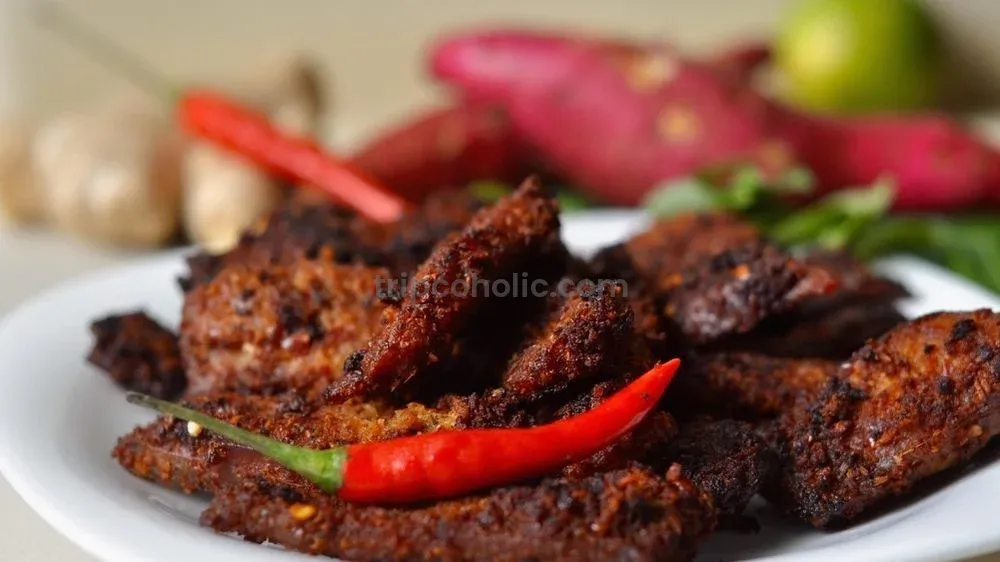
Theluli mas features chunks of fish marinated with chili, turmeric, garlic, and curry leaves, then fried until crisp on the edges and tender inside. The seasoning penetrates deeply, creating a punchy, citrus friendly flavor that pairs well with salads and rice. You will often see it as part of a rice and curry spread at lunchtime. When done right, it is juicy without greasiness, aromatic without being too hot. If you like bold, straightforward seafood, this is a winner among Maldives local dishes.
Where to try
- Lunchtime rice and curry eateries in Malé
- Family style canteens on Fuvahmulah
Saagu Bondibai, Creamy Sago Pudding
Saagu bondibai is a velvety dessert made from sago pearls simmered in coconut milk with sugar, cardamom, and sometimes rosewater. The pearls turn translucent and tender, creating a spoonable pudding that is both comforting and tropical. The aroma of cardamom drifts up first, followed by the lush sweetness of coconut. Served chilled or gently warm, it offers a calm finish after a spicy meal. If you are collecting sweet memories for a Maldives food guide, this one is essential.
Where to try
- Dessert counters in Malé teahouses
- Home style restaurants on local islands offering set menus
Kurumba, Fresh Coconut
Kurumba is simply fresh green coconut, opened to reveal chilled, slightly sweet water and soft, jelly like flesh. It is the most natural refreshment in the heat, hydrating and lightly mineral. Vendors often choose coconuts that are young so the water tastes clean and the flesh is delicate. Sip first, then scoop the tender meat with a spoon, enjoying a pure taste of the islands. It complements fish heavy meals and balances the spice of curries.
Where to try
- Beachside stalls on local islands across North and South Malé Atolls
- Resort and guesthouse juice bars that source local coconuts
Sai, Island Tea Culture
Sai is tea, served plain, sweet, or with condensed milk, and it anchors the daily ritual of afternoon hedhikaa. The tea is strong and brisk, often poured from height to cool slightly and develop a soft foam. Locals gather around small tables to chat, dip pastries, and watch the slow movement of island life. A cup of sai links you to the social rhythm of the Maldives as surely as the tide. It is not a single dish, yet it is the thread that ties the snack culture together.
Where to try
- Teashops throughout Malé with glass counters of pastries
- Neighborhood cafés on local islands near harbors
Maldivian Fish Curry, Creamy and Aromatic
Maldivian fish curry showcases tuna or reef fish simmered in coconut milk with curry leaves, garlic, ginger, chili, and aromatics like cumin and coriander. The sauce is silky and warmly spiced rather than fiery, perfect for spooning over steamed rice. Some versions add pieces of breadfruit or pumpkin for a soft, sweet counterpoint. The curry’s perfume is gentle, the color golden or pale depending on spices used, and the taste deeply comforting. If your question is what to eat in Maldives for a satisfying lunch, this curry belongs at the top.
Where to try
- Everyday rice and curry spots in Malé and Hulhumalé
- Family kitchens at guesthouses in Baa Atoll that offer home cooking
Huni Roshi, Coconut Flatbread
Huni roshi is a rustic flatbread kneaded with grated coconut, which gives a tender bite and a lightly sweet, nutty aroma. Cooked on a hot griddle, it blisters in spots and stays soft enough to fold. Islanders pair it with mas huni at breakfast, but it also works beautifully with curries and rihaakuru. The texture is comforting, and the coconut elevates what would otherwise be a simple bread. It is a small detail that makes Maldivian meals feel special.
Where to try
- Breakfast cafés in Malé that serve traditional sets
- Local island guesthouses serving made to order breads
The Maldives offers a cuisine that is intimate, sea kissed, and shaped by community. From the steam of garudhiya to the satisfying crunch of bajiya, each bite reveals how people live with the ocean and the coconut palm. If you plan your trip with food in mind, keep this Maldives food guide handy and seek out local cafés, teashops, and family run kitchens alongside resorts. For a complete plan beyond the table, continue with our Maldives Travel Guide and Places to Visit in Maldives articles, where you can build an itinerary that pairs lagoon days with unforgettable flavors. Wherever you go across the atolls, let your appetite lead the way, and the islands will reward you.