What to Eat in Tbilisi


Tbilisi is the kind of city that pulls you in with its winding Old Town streets, warm sulfur baths, and balconies draped with vines, but it truly wins hearts at the table. Georgian hospitality is not a cliché here, it is a lived tradition, and food is the language locals use to welcome you in. The city’s cuisine sits at a delicious crossroads, shaped by mountain villages, fertile valleys, and centuries of trade routes passing through the Caucasus. When you search “what to eat in Tbilisi,” you are really opening the door to a whole ritual of sharing, toasting, and lingering over plates that arrive in generous waves. You will notice how every meal feels communal, with breads meant for tearing, sauces meant for scooping, and dumplings meant for debating which technique is the “right” one. A proper Tbilisi food guide is not just a list of dishes, it is a map of flavors that tells you where the city has been and how it celebrates today. If you love travel that tastes like a place, Tbilisi local food will keep you curious from the first bite to the last sip.
Khinkali: The Juicy Dumplings Everyone Talks About
Khinkali are the iconic Georgian dumplings you will spot on nearly every menu, and for good reason. They are pleated little bundles filled with spiced meat, usually pork and beef, sometimes lamb, and always a surprising amount of aromatic broth. The trick is to pick one up by the doughy “handle,” take a careful bite, and sip the hot juices before eating the rest. Black pepper is the signature note, and it blooms in the steam as you open the dumpling, making the whole experience feel dramatic in the best way. Locals often order them in rounds, counting out how many each person “can handle,” and the table gets louder with every plate. If you want a classic answer to “Tbilisi local food,” start here, because khinkali are both comfort and competition.
Where to Try It in Tbilisi
Pasanauri is often mentioned by travelers and locals alike for a straightforward, satisfying khinkali experience in the city. You can also look for busy dumpling-focused taverns in the Old Town where the turnover is fast and the dumplings arrive piping hot. Go with friends if you can, because ordering a mixed batch makes it more fun to compare fillings and techniques. Ask for a side of pickles and a simple salad, since the acidity balances the rich broth beautifully. If you are new to khinkali, watch how Georgians do the first bite, then copy with confidence.
Adjaruli Khachapuri: A Cheese Boat With a Golden Center
Adjaruli khachapuri is the famous boat-shaped bread filled with molten cheese and crowned with a bright egg yolk. It comes to the table sizzling, buttery, and fragrant, and you are supposed to stir the egg into the cheese while it is still hot. Then you tear off pieces of the crust and dip them into the creamy center, which feels indulgent and cozy at the same time. The dough is slightly chewy, the cheese is salty and tangy, and the butter melts into everything like a finishing flourish. While khachapuri exists in many regional styles, the Adjaruli version is the one that makes people’s eyes widen on first sight. In any “Tbilisi food guide,” it earns a top spot because it captures the city’s love for bold, comforting flavors.
Where to Try It in Tbilisi
Sakhli 11 is a well known place for traditional Georgian dishes where many visitors seek out a memorable khachapuri. Another good strategy is to choose a classic Georgian restaurant that bakes fresh bread on site, because the crust texture matters as much as the cheese. Go hungry, since one Adjaruli can feel like a whole meal, especially if you add salads and spreads. If you see locals ordering it for the table, follow their lead and share, it turns into a warm, hands-on ritual. Pair it with something bright, like tomato and cucumber salad, to keep the meal balanced.
Mtsvadi: Smoky Skewers With Street Level Charm
Mtsvadi is Georgian barbecue at its simplest and most satisfying, usually chunks of pork grilled over open flame. The meat is often lightly seasoned so the smoke and fat do most of the talking, and that restraint is exactly what makes it addictive. You will smell it before you see it, especially in lively neighborhoods where grills are part of the city soundtrack. The outside gets crisp and browned, while the inside stays juicy, and the best bites have a little char that snaps between your teeth. It is typically served with raw onion, herbs, and sometimes tart pomegranate or plum sauce that cuts through the richness. If you want to understand why Georgians love long, social meals, order mtsvadi and watch how quickly the table turns into a shared feast.
Kharcho: A Deep, Peppery Soup That Warms You From Within
Kharcho is a hearty soup that feels like a hug on a cool Tbilisi evening. It is usually made with beef, rice, and a richly spiced broth thickened with walnuts, then brightened with herbs. The flavor is bold and layered, with sour notes that keep it from feeling heavy, and a gentle heat that builds as you go. Each spoonful carries a mix of tender meat, soft rice, and a nutty depth that is distinctly Georgian. In many places it arrives with fresh bread on the side, inviting you to soak up every last drop. When people ask “what to eat in Tbilisi” beyond the famous dumplings and cheese bread, kharcho is a delicious next step.
Lobio: Beans Made Comforting and Surprisingly Complex
Lobio is a clay-pot bean dish that proves simple ingredients can taste soulful. Red beans are cooked until creamy and seasoned with herbs, garlic, and spices, often with a touch of walnut richness. It is frequently served with pickles, raw onion, and cornbread-like mchadi, creating a satisfying mix of soft, crunchy, tangy, and warm. The aroma leans herbal and savory, and the texture is thick enough to scoop rather than spoon. It is a staple in Georgian home cooking, so ordering lobio feels like getting a peek into everyday life. Add it to your Tbilisi food guide list when you want something filling that still feels fresh and wholesome.
Pkhali: Colorful Vegetable Spreads With Walnut Heart
Pkhali is a family of vegetable spreads made with chopped greens or vegetables mixed with walnuts, herbs, and spices. You might see spinach pkhali, beet pkhali, or eggplant variations, usually shaped into small rounds and topped with pomegranate seeds. The taste is earthy and bright at once, with the walnuts giving it a creamy body while herbs keep it lively. It is often part of a spread table, alongside cheeses and pickles, making it ideal for grazing and sharing. If you like dishes that feel both healthy and indulgent, pkhali hits that sweet spot. For anyone exploring Tbilisi local food, pkhali is a must because it highlights the Georgian love affair with walnuts and herbs.
Where to Try It in Tbilisi
Barbarestan is frequently praised for an atmospheric take on Georgian classics, and it is a good pick when you want pkhali with a slightly refined touch. You can also look for traditional restaurants that bring out a “Georgian appetizer board,” since pkhali is often best enjoyed as part of a wider spread. Order at least two different colors if you can, because the flavors shift in subtle, fun ways. Pair it with a dry white wine for a clean contrast to the walnut richness. If pomegranate seeds appear on top, do not brush them aside, that pop of tartness is part of the design.
Badrijani Nigvzit: Eggplant Rolls That Disappear Fast
Badrijani nigvzit are thin slices of fried eggplant rolled around a walnut-garlic filling, often finished with pomegranate seeds. The eggplant is silky and slightly smoky from frying, and it wraps the filling like a soft blanket. Inside, the walnut mixture is fragrant and savory, with garlic and herbs giving it a lively kick. The contrast between creamy filling and tender eggplant makes it one of those dishes you keep reaching for without noticing. It is usually served as an appetizer, but it has enough personality to steal attention from the main course. If your goal is to eat your way through Tbilisi local food, these rolls deserve a front-row spot.
Chakapuli: A Springy Herb Stew With Tangy Soul
Chakapuli is a fragrant stew traditionally made with lamb or veal, packed with fresh herbs and finished with a sour lift from tart plums or tkemali. The aroma is green and bright, almost like a garden after rain, and it tastes lighter than it looks. Herbs like tarragon and cilantro play a leading role, making each bite feel fresh, while the meat turns tender and silky. The sour notes keep the stew lively, so it never becomes heavy even when you are deep into a multi-dish meal. It is a great reminder that Georgian cuisine is not only about richness, but also about balance and brightness. When building a Tbilisi food guide, chakapuli is the dish that shows off the city’s love for herbs and tangy flavors.
Where to Try It in Tbilisi
Cafe Littera is a popular choice for a relaxed meal in a leafy setting, and it is a pleasant place to look for herb-forward dishes like chakapuli. If you prefer something more traditional, a well established Georgian restaurant in the Sololaki or Old Town area often prepares it with careful attention to herbs. Ask what kind of sour element they use, since tart plum variations change the flavor in interesting ways. Pair it with fresh bread and a simple salad so the herbs stay center stage. Chakapuli is especially enjoyable when you slow down and eat it warm, spoon by spoon, with good conversation.
Churchkhela: The Candle Shaped Sweet You See Everywhere
Churchkhela is one of the most recognizable Georgian sweets, strings of nuts coated in thickened grape juice and dried until chewy. You will see them hanging in shops and markets like colorful ornaments, and it is hard not to be curious. The outside is slightly firm and sticky, while the inside offers crunchy walnuts or hazelnuts that make each bite satisfying. The flavor is naturally sweet with a grape-like depth, not sugary in the way candy can be. Many locals treat it as an energy snack, perfect for walks around the city’s hills. If you are wondering what to eat in Tbilisi between meals, churchkhela is an easy, portable answer.
Pelamushi: Grape Pudding With a Velvet Texture
Pelamushi is a smooth pudding made by thickening grape juice with a bit of flour, creating a dessert that tastes like concentrated fruit. It is glossy, gently sweet, and often served chilled, which makes it refreshing after a rich meal. The texture is the star, soft and velvety, with a clean finish that feels surprisingly light. Depending on the grape variety, the color can range from rosy purple to deep burgundy, and it looks as inviting as it tastes. Sometimes it is paired with nuts, which adds a pleasing crunch and makes it feel more substantial. For travelers following a Tbilisi food guide, pelamushi is a lovely way to taste Georgia’s grape culture beyond wine.
Tarkhuna: The Green Soda With a Herbal Twist
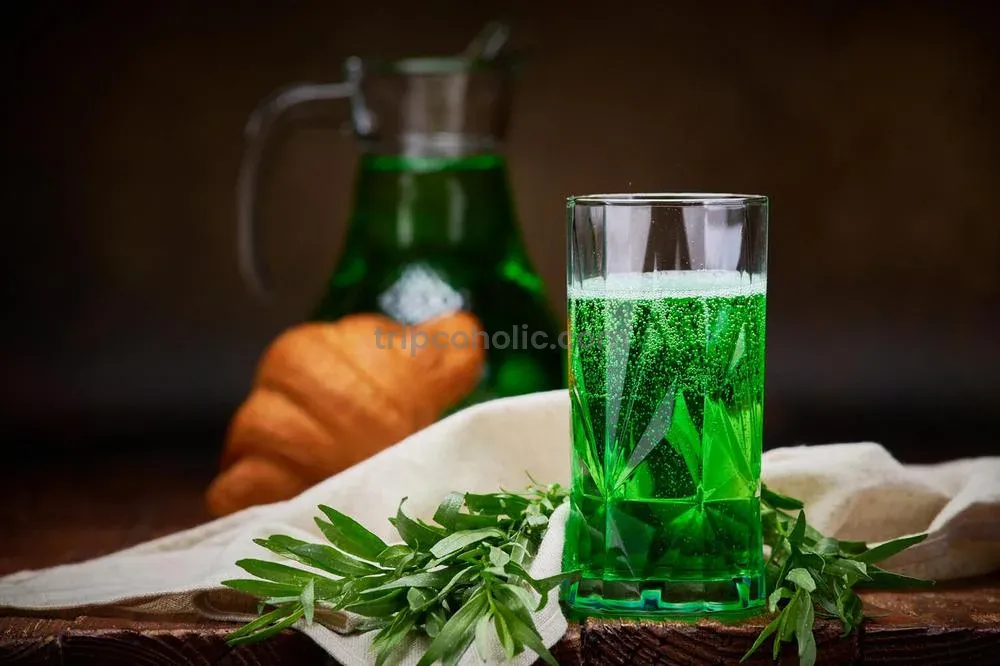
Tarkhuna is the bright green tarragon soda that feels like a playful side of Georgian taste. It is sweet, fizzy, and unmistakably herbal, with a fragrance that hits your nose before you take the first sip. Some people fall in love instantly, while others need a second taste to understand it, but either way it is memorable. It pairs well with salty foods like khinkali or khachapuri because the sweetness and herbs cut through richness. You can find it in cafes, restaurants, and corner shops, which makes it an easy addition to your tasting list. If your “what to eat in Tbilisi” plan includes drinks beyond wine, tarkhuna is a fun local pick.
Georgian Wine: Ancient Traditions in Every Glass
Georgian wine is not just a beverage in Tbilisi, it is a cultural backbone with roots that stretch back thousands of years. You will encounter bold reds like Saperavi, crisp whites like Rkatsiteli, and amber wines made with long skin contact that taste textured and complex. Many wines are connected to qvevri, large clay vessels used in traditional winemaking, which gives the whole experience a sense of living history. The flavors can be rustic, vibrant, and surprisingly varied, especially when you compare regions and grape types. Wine is also woven into Georgian toasting culture, turning a simple meal into a storytelling moment. No Tbilisi food guide is complete without making room for at least one evening dedicated to tasting Georgian wine.
Where to Try It in Tbilisi
Wine Gallery is a familiar stop for visitors who want to sample a range of Georgian wines in one place. You can also look for small wine bars that offer tasting flights, which makes it easier to compare grapes and styles without committing to a full bottle. Ask for a mix that includes a red, a white, and an amber wine, because the contrast helps you understand what makes Georgian wine unique. If staff suggest food pairings, take the advice, walnuts, cheese, and herbs tend to sing with local wines. Take your time, since wine in Tbilisi is best enjoyed as part of the city’s unhurried rhythm.
Tbilisi is the kind of destination where your memories come with aromas attached, peppery dumpling steam, buttery bread, smoky grill notes, and the perfume of fresh herbs. If you came here searching “What to Eat in Tbilisi?” or “what to eat in Tbilisi,” you now have a flavorful path that covers classics, comfort dishes, and sweet market finds. Try to pace yourself, because the joy is in variety, not just volume, and each dish tells a slightly different story about Georgia’s regions and traditions. Between meals, wander through neighborhoods, peek into bakeries, and let your appetite guide you toward the next small discovery. When you are ready to plan the rest of your trip, you can continue with a Tbilisi Travel Guide and a Things to Do in Tbilisi article to round out your days with viewpoints, baths, and old streets that taste even better after a great meal.