Serbia Travel Guide

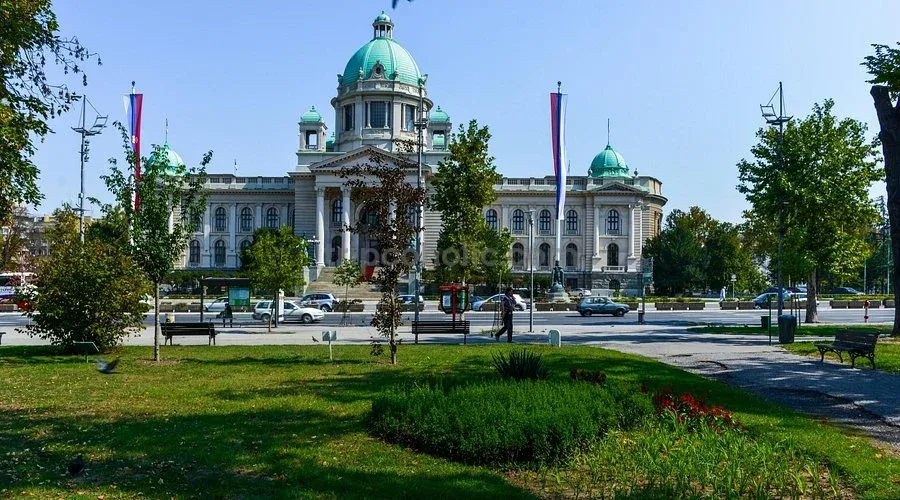

Serbia is one of those places that surprises you in the best possible way: lively café terraces and river promenades in Belgrade, pastel Austro-Hungarian charm in Novi Sad, monasteries tucked into green valleys, and big, cinematic landscapes along the Danube. It’s a country where a long lunch can turn into an afternoon, where “just one more coffee” is basically a love language, and where weekend escapes to mountains, lakes, and spa towns are part of everyday life.
When to Visit Serbia?
For easy sightseeing and comfortable day trips, spring (April–May) and early autumn (September–October) are the sweet spots—mild temperatures, greener landscapes, and a calmer pace compared to peak summer. Summer is perfect if you’re coming for open-air festivals and late nights by the rivers, while winter is made for mountain air and ski breaks (Kopaonik’s season typically runs from early December into early April). Keep reading this Serbia travel guide and you’ll be able to match the season to exactly the kind of trip you want.
How to Get to Serbia?
Most travelers arrive by air via Belgrade Nikola Tesla Airport, with additional flight options through Niš Constantine the Great Airport in the south and Morava Airport near Kraljevo for certain routes. Overland, Serbia is well connected by coach routes from neighboring countries, and rail travel is possible on select lines—your best bet is to check current train schedules directly with Srbija Voz before you lock in plans. Once you’re in, it’s easy to hop between cities by bus, and renting a car can be brilliant for national parks and smaller towns—stick with this Serbia travel guide to plan the smoothest way in and around.
What to Do in Serbia?
- Soak up Belgrade’s energy: walk Knez Mihailova, sunset at Kalemegdan, and a long dinner in Skadarlija.
- Cross to Novi Sad for café culture, the Danube views, and Petrovaradin Fortress.
- Cruise the Danube through Đerdap (Iron Gates) for dramatic cliffs and fortress scenery.
- Chase viewpoints in Tara National Park, then hunt down the famous Drina River house near Bajina Bašta.
- Take a monastery trail (especially in central Serbia) for frescoes, calm courtyards, and mountain backdrops.
- Go wine tasting in Fruška Gora and the north—easy, scenic, and wonderfully unpretentious.
- Spend a night in a spa town like Vrnjačka Banja for slow mornings and thermal-water relaxation.
- Ride the Šargan Eight heritage railway and pair it with nearby countryside villages.
- Ski or hike Kopaonik, depending on the season (winter slopes, summer trails).
- Follow your appetite through bakeries (burek), grill spots (ćevapi), and kafanas (traditional taverns).
What to Eat in Serbia?
Come hungry: Serbia is built for comfort food and shared plates. Start with burek for breakfast (cheese or meat—no wrong answer), move on to grill favorites like ćevapi and pljeskavica, and don’t skip classics such as sarma (stuffed cabbage), gibanica (cheese pie), pasulj (bean stew), and Karađorđeva šnicla when you spot it on a menu. Add kajmak and ajvar to basically everything, and finish with strong coffee and something sweet from a local pastry case. If you want to eat like a local from day one, keep going with this Serbia travel guide for the best food vibes by region.
What to Buy in Serbia?
The most satisfying souvenirs from Serbia are the ones you’ll actually use: a good bottle of rakija (plum is the classic), jars of ajvar, local honey, wines from Serbian vineyards, and small pantry gifts like dried herbs or fruit preserves. For something more craft-focused, look for Pirot kilim patterns (rugs and textiles), handmade ceramics, and small designer items from local studios in bigger cities. For a deeper shopping checklist (and what’s genuinely worth packing), head to the article “What to Buy in Serbia?”
Serbia Nightlife
Serbia knows how to go out especially in Belgrade, where the night often starts late and ends when the sun is thinking about coming up. Expect everything from live music in old-school kafanas to modern cocktail bars, plus the city’s famous river venues (“splavovi”) when the weather’s right. Novi Sad keeps it stylish and walkable, while Niš brings a more local, laid-back buzz with plenty of live gigs. For neighborhoods, venues, and the “where should we go tonight?” breakdown, jump to “Serbia Nightlife.”
Serbia Festivals and Fairs
| Festival / Fair | Where | Typical Timing | What It’s Like |
|---|---|---|---|
| EXIT Festival | Novi Sad (Petrovaradin Fortress) | July (traditionally mid-July) | Major European music festival; check announcements, as organizers have discussed moving it abroad after 2025. |
| Guča Trumpet Festival (Dragačevski Sabor) | Guča | Early August | Brass bands, street parties, and pure Balkan celebration energy. |
| Belgrade Beer Fest | Belgrade (Ušće) | August | Big crowds, live music, and plenty of breweries in one place. |
| Nišville Jazz Festival | Niš Fortress | August | International jazz in a fortress setting (dates vary by year). |
| Belgrade Dance Festival | Belgrade (and often Novi Sad) | March–April | Contemporary dance performances across major venues. |
| Vrnjačka Banja Carnival | Vrnjačka Banja | July | Costumes, concerts, and a full week of summer-town festivities. |
Serbia Important Days and Holidays
| Date | Day / Holiday | Notes |
|---|---|---|
| Jan 1–2 | New Year’s Day | Public holiday / non-working days. |
| Jan 7 | Orthodox Christmas (Julian calendar) | Public holiday / non-working day. |
| Feb 15–16 | Statehood Day (Sretenje) | Public holiday / non-working days. |
| Varies (spring) | Orthodox Easter holidays | Dates change yearly (Good Friday through Easter Monday are observed). |
| May 1–2 | Labour Day | Public holiday / non-working days. |
| Jun 28 | Vidovdan (St. Vitus Day) | Major cultural/religious date; typically a working day, but widely commemorated. |
| Nov 11 | Armistice Day | Public holiday / non-working day. ( |
Serbia Things to Consider When Traveling
- Currency: Serbia uses the Serbian dinar (RSD).
- Plugs & voltage: Commonly Type F, 230V, 50Hz bring an adapter if your plugs differ.
- Transport planning: Buses are often the simplest city-to-city option; for trains, check official schedules before you plan your day around them.
- Smoking: More common than in many Western European countries choose venues accordingly.
- Cash vs. card: Cards are widely accepted in cities, but smaller towns and markets may be cash-first.
- Tipping: Not mandatory, but rounding up or leaving ~10% for good service is appreciated.
- Late dining culture: Dinner can start surprisingly late, especially in Belgrade.
- Festival dates change: Always double-check official pages close to your trip (especially for summer events).
Conclusion
Serbia is a destination that rewards curiosity: come for the cities and nightlife, stay for the food, the forests, the Danube drama, and the warm, unhurried rhythm that makes you slow down without even trying. When you’re ready to map out your itinerary stop by stop, don’t miss “Places to Visit in Serbia” for the best sights and easy day-trip ideas.