Places to Visit in Afyon: 50 Must-See Historical, Natural and Cultural Destinations

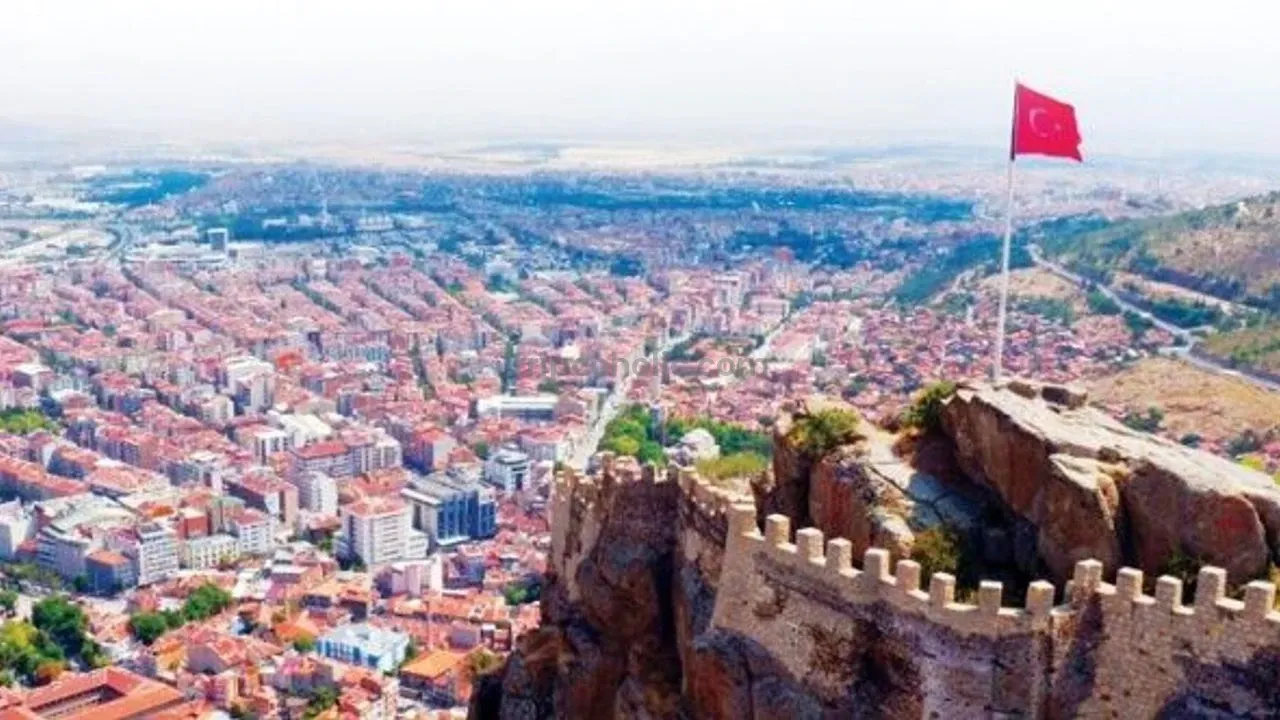

Afyon, officially known as Afyonkarahisar, is one of Turkey’s most underrated cultural travel destinations. Located at the crossroads of ancient routes, the city brings together Phrygian rock monuments, Seljuk and Ottoman architecture, War of Independence memorials, volcanic landscapes and peaceful lakes. It is a destination for travelers who enjoy history with depth, nature with character and routes that feel authentic rather than overcrowded. This guide focuses on 100 remarkable places to visit in Afyon, excluding restaurants, shopping malls, tour companies and purely commercial attractions.
Afyonkarahisar Castle
Afyonkarahisar Castle is the most iconic landmark of the city and the natural starting point for any Afyon itinerary. Rising on a volcanic rock mass above the city center, it offers a powerful view over old neighborhoods, mosques and the surrounding plain. The climb is demanding, but the sense of arrival at the top is unforgettable. For travelers, the castle is not just a viewpoint; it is the symbol of Afyon’s long historical identity.
Afyonkarahisar Grand Mosque
Afyonkarahisar Grand Mosque is one of the city’s most important religious and architectural treasures. Its wooden-columned interior gives the building a warm, historic and deeply Anatolian atmosphere. The mosque reflects the craftsmanship and spiritual culture of medieval Turkish architecture. Visitors interested in Seljuk-era monuments should definitely include it in their walking route.
Gedik Ahmet Pasha Imaret Mosque
Gedik Ahmet Pasha Imaret Mosque is a refined Ottoman monument in the historic center of Afyon. Its elegant stonework, balanced proportions and calm courtyard make it one of the city’s most photogenic religious buildings. The mosque was part of a wider social and charitable complex, reflecting the Ottoman tradition of combining worship, service and urban life. It is an excellent stop for travelers who want to understand Afyon’s Ottoman heritage.
Afyon Mevlevi Lodge
Afyon Mevlevi Lodge introduces visitors to the spiritual world of the Mevlevi tradition. The site reflects the cultural influence of dervish lodges, music, poetry and Sufi thought in Anatolia. Its peaceful atmosphere makes it a meaningful place for slow and reflective travel. For those interested in Rumi’s legacy, this is one of Afyon’s most valuable cultural stops.
Afyonkarahisar Museum
Afyonkarahisar Museum is one of the best places to understand the deep history of the region. Its collections connect visitors with ancient civilizations, archaeological finds and cultural layers from different periods. A visit here gives important context before exploring Phrygian monuments, rock tombs and historical settlements. It is especially useful for travelers planning to visit Ayazini and Göynüş Valley.
Victory Museum
Victory Museum is a key destination for understanding the Turkish War of Independence. The building is closely connected with the planning and memory of the Great Offensive. Its rooms, documents and atmosphere help visitors feel the strategic importance of Afyon in modern Turkish history. It is a compact but emotionally powerful museum in the city center.
Commander-in-Chief Historical National Park
Commander-in-Chief Historical National Park is one of the most meaningful national heritage landscapes in Turkey. It preserves areas connected with the Great Offensive and the final phase of the War of Independence. Unlike a single museum, this park allows visitors to experience history through hills, monuments, roads and open scenery. It is an essential stop for anyone following the national history route around Afyon.
Kocatepe Atatürk Monument and Inscription
Kocatepe Atatürk Monument and Inscription stands at one of the most symbolic points of modern Turkish history. This is where the Great Offensive is strongly remembered, making the site deeply emotional for many visitors. The high location also offers commanding views over the battlefield geography. Travelers should visit Kocatepe with time, silence and respect.
Grand Offensive Martyrs’ Cemetery and Commander-in-Chief Mustafa Kemal Monument
Grand Offensive Martyrs’ Cemetery and Commander-in-Chief Mustafa Kemal Monument is one of Afyon’s most solemn memorial sites. It honors those who lost their lives during one of the most decisive military operations in Turkish history. The monument and cemetery create a powerful atmosphere of remembrance. It is one of the strongest places to understand Afyon’s role in the foundation story of the Republic.
Şuhut Atatürk House
Şuhut Atatürk House is a meaningful stop on the War of Independence route. It preserves the memory of the period before the Great Offensive, when important preparations were made in the region. The house gives visitors a more personal connection to the wider battlefield landscape. It is especially recommended for travelers who want to go beyond monuments and feel the human side of history.
26 August Nature Park
26 August Nature Park combines natural calm with historical meaning. Its name connects it directly with the date of the Great Offensive, adding symbolic value to the landscape. The park is suitable for short walks, fresh air and quiet reflection after visiting nearby memorials. It is a pleasant stop for travelers who want a softer outdoor experience in Afyon.
Anıt Park
Anıt Park is a central green space that adds balance to a city sightseeing route. It offers a peaceful break between museum, mosque and castle visits. The park also reflects Afyon’s civic memory and public life. Its accessible location makes it easy to include in a half-day walking itinerary.
Afyonkarahisar Culture and Art House
Afyonkarahisar Culture and Art House is a charming place to experience local heritage in a more intimate setting. It reflects traditional lifestyle, domestic architecture and cultural memory. The building helps visitors understand how old Afyon looked and felt beyond its major monuments. It is ideal for travelers interested in local identity and preserved interiors.
Historical Afyon Houses
Historical Afyon Houses are among the most atmospheric elements of the city’s old urban fabric. These traditional homes cluster around the castle and preserve traces of local architecture. Their wooden details, courtyards and street-facing façades give the old city a strong sense of character. Walking among them is one of the best ways to experience Afyon slowly.
Çeşmeli Mansion
Çeşmeli Mansion is a beautiful example of Afyon’s civil architectural heritage. It represents the domestic elegance of traditional urban life in the region. Visitors can observe how local houses were designed around privacy, family life and craftsmanship. The mansion is especially interesting for travelers who enjoy historic homes and cultural interiors.
Millet Bath
Millet Bath reflects the social life of old Afyon. Historical baths were not only places for washing, but also important public spaces in Ottoman towns. The architecture of the bath reveals how water, heat and stone were organized with practical and aesthetic care. It adds another layer to the city’s Ottoman-era heritage route.
Imaret Bath
Imaret Bath is connected with the wider Gedik Ahmet Pasha complex. Its historical character makes it valuable for understanding Ottoman public architecture. The structure shows the importance of baths in daily life, hygiene and community culture. Travelers interested in urban history can pair it with the nearby mosque and old streets.
Kadı Bath
Kadı Bath is another historic bath that reflects Afyon’s layered urban past. Its association with bath culture gives visitors insight into social routines that shaped city life for centuries. The site is valuable not only architecturally but also culturally. It helps complete the picture of Afyon as a city of mosques, mansions, baths and public spaces.
Stone Madrasa
Stone Madrasa is a reminder of Afyon’s educational and scholarly traditions. Madrasas played an important role in the intellectual life of Anatolian towns. Its stone architecture gives the building a dignified and historic presence. It is a worthwhile stop for travelers interested in religious education, architecture and urban heritage.
Sultan Alaaddin Mosque
Sultan Alaaddin Mosque is a quieter but meaningful religious site in Afyon. Its atmosphere offers a peaceful contrast to the more famous Grand Mosque and Imaret Mosque. The mosque contributes to the sacred texture of the old city. It is a good addition to a cultural walking route through Afyon’s historic center.
Çay Caravanserai
Çay Caravanserai is an important structure for understanding medieval travel routes in Anatolia. Caravanserais served merchants, travelers and animals moving across long-distance roads. The building reflects Afyon’s role as a strategic passage between regions. It is especially interesting for those who enjoy Silk Road and Seljuk-period heritage.
İshaklı Caravanserai
İshaklı Caravanserai is another impressive stop for travelers interested in trade-route architecture. Its stone structure speaks to the importance of security and hospitality in medieval Anatolia. The building helps visitors imagine the rhythm of old caravan journeys. It is a rewarding destination for architecture lovers and history-focused road trippers.
Döğer Caravanserai
Döğer Caravanserai is closely connected with the Phrygian Valley route. Its presence shows that the region remained important long after the Phrygian period. The caravanserai adds a medieval layer to a landscape already rich in ancient rock monuments. It is best visited together with Döğer ruins, Emre Lake and nearby Phrygian sites.
Anıtkaya / Eğret Caravanserai
Anıtkaya, also known historically as Eğret, has an important place on Afyon’s heritage map. The caravanserai here reflects the district’s role in historic movement and settlement. It connects local history with wider Anatolian road networks. For travelers exploring beyond the city center, it offers a meaningful cultural detour.
Kırkgöz Bridge
Kırkgöz Bridge is one of Afyon’s notable historic bridges. Located around Bolvadin, it reflects the importance of river crossings in local and regional movement. Bridges like this often go unnoticed, yet they tell important stories about trade, military routes and daily life. Its long form and historic character make it a valuable architectural stop.
Çay Square Fountain
Çay Square Fountain is a modest but meaningful public heritage feature. Historic fountains were essential parts of Anatolian urban life, providing water and serving as social meeting points. This fountain adds charm and historical texture to the district of Çay. It is a short but pleasant stop for travelers passing through the area.
Historic Bedesten
Historic Bedesten reflects the commercial and architectural traditions of old Afyon. Although it is associated with trade, its value lies in its historic structure and urban memory rather than modern shopping. Bedestens were important covered market buildings in Ottoman towns. Visitors interested in city texture can appreciate it as part of Afyon’s historic center.
Historic Taşhan
Historic Taşhan is one of the city’s old inn-style structures. Hans were essential to trade, travel and accommodation before modern transport systems. The building helps explain how Afyon functioned as a regional stopover for merchants and travelers. It is best appreciated as an architectural and historical site rather than as a commercial venue.
Phrygian Valley Natural Park
Phrygian Valley Natural Park is one of the most extraordinary places to visit in Afyon. The park combines volcanic rock formations, ancient settlements, rock-cut monuments and wide open landscapes. It is ideal for photography, hiking and cultural exploration. For many visitors, this area becomes the highlight of an Afyon journey.
Ayazini Ruins
Ayazini Ruins, also known as Metropolis, are among the most fascinating archaeological landscapes in Afyon. The area was used by different civilizations, including Phrygians, Romans and Byzantines. Rock-cut houses, tombs and religious structures give the site a dramatic open-air museum atmosphere. It is one of the strongest reasons to explore Afyon beyond the city center.
Ayazini Rock Houses
Ayazini Rock Houses show how people adapted the volcanic landscape into living spaces. These carved dwellings create a striking connection between nature and human settlement. Walking among them gives visitors a sense of everyday life shaped by stone. Their visual impact makes Ayazini one of Afyon’s most photogenic destinations.
Ayazini Rock Church
Ayazini Rock Church is an important Byzantine-period monument carved into the rock. Its architecture reflects the religious role of Ayazini during the Christian era. The church adds sacred depth to a landscape already rich in tombs and dwellings. It is best visited slowly as part of a wider Ayazini walking route.
Ayazini Rock Tombs
Ayazini Rock Tombs reveal the funerary traditions of ancient communities in the region. Carved into the soft volcanic stone, they show how the landscape was used for both life and death. The tombs create a powerful sense of continuity between civilizations. They are especially interesting for travelers who enjoy archaeology in natural settings.
Avdalaz Castle
Avdalaz Castle is one of the most dramatic rock-cut structures in the Ayazini region. Its multi-level rooms and fortress-like appearance create a mysterious visual effect. The site demonstrates how natural rock could be transformed into a defensive and residential complex. For photographers, it is one of Afyon’s most striking heritage points.
Göynüş Valley
Göynüş Valley is a major Phrygian heritage landscape near Kayıhan. The valley contains rock tombs, monuments and sacred traces that reveal the ceremonial world of the Phrygians. Its open setting allows visitors to experience archaeology directly within the landscape. It is one of the most important stops in the wider Phrygian route.
Göynüş Castle
Göynüş Castle adds a defensive element to the sacred and funerary landscape of Göynüş Valley. Its position helps visitors understand the strategic value of the area. The site has a rugged and adventurous atmosphere compared with polished city monuments. It is a rewarding stop for travelers who enjoy open-air historical exploration.
Aslantaş Rock Tomb
Aslantaş Rock Tomb is one of the most famous Phrygian monuments in Afyon. Its lion reliefs and monumental façade make it a powerful example of ancient funerary art. The tomb reflects status, symbolism and craftsmanship in the Phrygian world. Seeing it in its natural valley setting is far more impressive than viewing it in photographs.
Yılantaş Rock Tomb
Yılantaş Rock Tomb is another essential monument in Göynüş Valley. Although damaged over time, it remains highly valuable for understanding Phrygian rock-cut tomb architecture. Its surviving details and mysterious name add character to the site. Together with Aslantaş, it forms one of Afyon’s most memorable archaeological pairs.
Maltaş Phrygian Monument
Maltaş Phrygian Monument is an impressive open-air sacred façade carved into rock. It reflects the religious architecture associated with the ancient Phrygian world. The monument’s setting gives it a powerful relationship with the surrounding valley. It is a must-see for travelers interested in ancient belief systems and rock-cut temples.
Kumcaboğaz Monument
Kumcaboğaz Monument is part of the sacred geography of Göynüş Valley. It may appear quieter than Aslantaş or Maltaş, but it is important for understanding the wider Phrygian landscape. The monument shows that the valley was not a single attraction but a network of related sacred and funerary places. It is best explored with time and curiosity.
Döğer Ruins
Döğer Ruins are an important archaeological area within the Phrygian Valley route. The site includes rock settlements, tombs and monuments that reflect long-term use of the landscape. Its surroundings are full of volcanic formations and carved spaces. Döğer is perfect for travelers who want a broader and more adventurous Phrygian experience.
Aslankaya Open-Air Temple
Aslankaya Open-Air Temple is one of the most remarkable Phrygian monuments around Döğer. Its façade and sacred symbolism make it a key destination for understanding ancient religious expression. The monument’s natural setting increases its visual and emotional impact. It is one of Afyon’s strongest archaeological highlights.
Kapıkaya I Monument
Kapıkaya I Monument is a smaller but important Phrygian rock monument. Its carved façade shows the characteristic sacred architecture of the region. The site proves that even modest rock surfaces could become meaningful ritual spaces. It is a valuable addition to a detailed Phrygian Valley itinerary.
Kapıkaya II Monument
Kapıkaya II Monument, also known as Büyük Kapıkaya, is another significant rock-cut monument near the Döğer area. Its larger scale gives it a stronger visual presence. The monument connects naturally with nearby rock formations and open landscapes. Travelers following the full Phrygian route should not miss it.
Memeç Rock Formations
Memeç Rock Formations combine scenic beauty with traces of ancient and Byzantine use. The area includes dramatic natural shapes and cultural remains within the wider Phrygian landscape. Its quieter atmosphere makes it appealing for travelers who prefer less crowded stops. It is especially rewarding when combined with Emre Lake and Döğer monuments.
Emre Lake
Emre Lake is one of the most peaceful natural stops in the Phrygian Valley region. The lake’s calm surface contrasts beautifully with the rocky landscape around it. It is a strong choice for photography, short walks and relaxed scenery. Travelers exploring Döğer and nearby monuments can use Emre Lake as a scenic pause.
Emre Sultan Tomb
Emre Sultan Tomb adds a spiritual layer to the Emre Lake area. The tomb connects local belief, memory and landscape in a quiet setting. It is a modest but meaningful stop for travelers exploring the Phrygian route. Visiting it helps balance archaeological exploration with local cultural tradition.
Üçlerkayası Castle
Üçlerkayası Castle is one of the lesser-known rock heritage sites around the Phrygian Valley. Its location among volcanic formations gives it a strong visual identity. The site reflects the defensive and settlement use of rocky landscapes. It is ideal for travelers who enjoy discovering quieter corners of Afyon’s ancient routes.
Kırkinler Rock Settlement
Kırkinler Rock Settlement is a fascinating stop for understanding rock-cut life in the region. The carved spaces show how communities adapted natural stone into practical architecture. Its atmosphere feels raw, ancient and exploratory. It is best visited as part of a broader route through the Phrygian landscape.
Asar Hill
Asar Hill is a scenic and historical point connected with the Döğer and Phrygian route. The hill offers a strong sense of place and a view of the surrounding rock geography. It is valuable for travelers who enjoy combining landscape observation with ancient settlement traces. The area’s rugged character makes it memorable for photographers.
Gerdek Rock Tomb
Gerdek Rock Tomb is one of the interesting funerary monuments in the Phrygian landscape. Its carved form reflects the region’s long tradition of rock-cut burial spaces. The tomb contributes to the broader archaeological story of Afyon’s valleys. It is a worthwhile stop for travelers focusing on ancient tomb architecture.
Phrygian Road
Phrygian Road is not a single monument but a cultural route through one of Anatolia’s most atmospheric historical landscapes. It links valleys, rock settlements, tombs, monuments and villages across the wider Phrygian region. Walking or driving sections of this route helps visitors understand the scale of ancient Phrygia. It is one of the best ways to experience Afyon as a living open-air museum.
Seydiler Fairy Chimneys
Seydiler Fairy Chimneys reveal the geological beauty of Afyon’s volcanic terrain. These natural formations create a visual connection with Cappadocia, but with a quieter and more local atmosphere. The area is ideal for short exploration and photography. It is one of the best natural stops for travelers seeking unusual landscapes.
İscehisar Fairy Chimneys
İscehisar Fairy Chimneys are another striking example of Afyon’s eroded volcanic formations. Their shapes show how wind, rain and time sculpted the landscape into natural sculptures. The site is appealing for geology lovers and photographers. It adds scenic variety to a route otherwise dominated by castles, mosques and museums.
Çatağıl-Ornaş Rock Formations
Çatağıl-Ornaş Rock Formations are part of the dramatic landscape around İscehisar. The area offers unusual shapes, quiet scenery and a strong sense of natural character. It is suitable for travelers who enjoy lesser-known geological sites. The formations also help explain why Afyon’s valleys became ideal for rock-cut settlements.
Akdağ Nature Park
Akdağ Nature Park is one of Afyon’s richest outdoor destinations. Its forests, highland atmosphere and rugged scenery offer a refreshing contrast to the dry volcanic valleys. The park is suitable for nature lovers, walkers and travelers seeking clean mountain air. It is one of the best places in Afyon for a peaceful escape into nature.
Tokalı Canyon
Tokalı Canyon is a dramatic natural destination within the Akdağ landscape. Its rocky passages and water-shaped terrain create a sense of adventure. The canyon is best suited to prepared visitors with proper footwear and attention to seasonal conditions. For outdoor travelers, it is one of Afyon’s most exciting natural sites.
Buzluk Cave
Buzluk Cave is one of Afyon’s most intriguing natural formations. Its cold interior and ice-related character make it a memorable cave experience. Reaching it may require effort, so it is better suited to adventurous travelers than casual city visitors. The cave adds mystery and natural diversity to an Afyon itinerary.
Eber Lake
Eber Lake is one of the important wetland landscapes associated with Afyon. Its reeds, water surface and birdlife create a calm natural environment. The lake is especially attractive for ecology lovers, photographers and travelers who enjoy quiet rural scenery. It shows that Afyon’s beauty is not limited to monuments and rock valleys.
Acıgöl Flamingo Area
Acıgöl Flamingo Area near Başmakçı offers one of Afyon’s most memorable wildlife scenes. During suitable periods, flamingos create a striking image against the open lake landscape. The area is ideal for birdwatchers and nature photographers. Visitors should observe responsibly and keep distance from wildlife.
Karamık Lake
Karamık Lake is a peaceful wetland area that adds another natural dimension to Afyon. Its reed beds and open water make it valuable for birdlife and landscape photography. The lake is best appreciated by travelers who enjoy slow, quiet nature stops. It is a good addition to routes passing through the Çay region.
Dinar Suçıkan Park
Dinar Suçıkan Park is one of the most pleasant natural stops in the Dinar district. The area is known for its flowing water, greenery and relaxing atmosphere. It offers a refreshing break for travelers crossing southern Afyon. Its mythological and local associations also make it more than just a simple park.
Marsyas Monument
Marsyas Monument in Dinar connects the district with one of Anatolia’s famous mythological stories. Marsyas, associated with music and ancient legend, gives the area a strong cultural identity. The monument is a meaningful stop for travelers interested in mythology as well as history. It adds a different narrative layer to Afyon’s travel map.
Apameia Ancient City
Apameia Ancient City near Dinar is one of the most important ancient settlements in the province. Its history connects the area with Hellenistic, Roman and later periods. Although not as widely visited as better-known ancient cities, it has strong archaeological value. Travelers interested in classical history should include it in a deeper Afyon route.
Celaenae Ancient City
Celaenae Ancient City is closely connected with the ancient geography of Dinar. It predates and overlaps with the historical importance of Apameia. The site adds depth to the region’s ancient identity and helps visitors understand why this area mattered for centuries. It is especially interesting for travelers who enjoy lesser-known archaeological landscapes.
Tatarlı Tumulus
Tatarlı Tumulus is an important archaeological site associated with ancient burial traditions. Tumuli reveal how elite communities expressed memory, status and belief through monumental graves. The site connects Afyon with wider Anatolian funerary culture. It is a valuable stop for travelers interested in archaeology beyond city museums.
Tatarlı Painted Wooden Tomb Heritage
Tatarlı Painted Wooden Tomb Heritage represents one of the most fascinating ancient finds associated with the Afyon region. The painted wooden panels connected with the tomb are important for understanding ancient art and burial customs. Although the heritage story extends beyond the original site, it remains strongly tied to Tatarlı. It is a compelling subject for culturally curious travelers.
Sandıklı Grand Mosque
Sandıklı Grand Mosque is an important religious and historical structure in one of Afyon’s major districts. It reflects the long-standing urban and spiritual life of Sandıklı. The mosque is worth visiting for travelers exploring Afyon beyond the provincial center. It adds district-level depth to the region’s architectural heritage.
Sandıklı Hüdai Thermal Springs
Sandıklı Hüdai Thermal Springs are among Afyon’s well-known natural thermal areas. While many facilities around thermal waters are commercial, the natural hot spring tradition itself is part of the region’s identity. The area reflects why Afyon has long been associated with healing waters. Travelers interested in geography and wellness history can appreciate it as a natural heritage zone.
Sandıklı Castle Area
Sandıklı Castle Area reflects the defensive history of the district. Even where remains are limited, such sites help visitors understand the strategic importance of settlement locations. The castle area adds a historical layer to a district often associated with thermal waters. It is a worthwhile stop for travelers exploring Sandıklı’s older identity.
Bolvadin Museum
Bolvadin Museum is an important local museum for understanding the heritage of the Bolvadin district. It helps preserve regional archaeological and ethnographic memory. Visiting local museums like this gives travelers a more detailed view than major city museums alone. It is especially useful before exploring Kırkgöz Bridge and nearby historic sites.
Bolvadin Grand Mosque
Bolvadin Grand Mosque is one of the district’s meaningful religious landmarks. It reflects the continuity of Islamic urban life in this historic town. The mosque’s presence helps explain Bolvadin’s role as an old settlement rather than just a modern district. It is a good cultural stop on a northern Afyon route.
Bolvadin Historic Streets
Bolvadin Historic Streets preserve traces of traditional district life in Afyon. Their older houses, public buildings and quiet atmosphere make them interesting for slow exploration. Walking these streets allows visitors to see daily life beyond major monuments. They are especially appealing for travelers who enjoy authentic small-town textures.
Yedikapılar Monastery Area
Yedikapılar Monastery Area is associated with the region’s Christian and rock-cut heritage. It reflects the Byzantine layer that appears across many parts of Afyon’s valleys and settlements. The site is best approached as part of a wider interest in early religious architecture. Its atmosphere appeals to travelers looking for lesser-known sacred ruins.
Sultandağı Sahipata Caravanserai
Sultandağı Sahipata Caravanserai is an important reminder of medieval road culture. Its presence shows that Afyon’s districts were connected to wider Anatolian movement networks. The building carries the spirit of old travel, trade and hospitality. It is a meaningful stop for visitors interested in Seljuk-era architecture.
Sultandağı Historic Town Center
Sultandağı Historic Town Center offers a quieter district experience in Afyon. The area combines local life, traditional streets and traces of old settlement patterns. It is not a single monumental attraction, but it helps travelers understand the province as a whole. For slow travelers, such district centers add authenticity to the journey.
Dereçine Highland Area
Dereçine Highland Area is a scenic natural zone near Sultandağı. Its mountain atmosphere offers a cooler, greener contrast to Afyon’s plains and volcanic valleys. The area is suitable for travelers looking for rural scenery and peaceful landscapes. It is best included in a nature-focused district route.
Karacaahmet Sultan Tomb
Karacaahmet Sultan Tomb is one of the spiritual heritage sites associated with Afyon. Tombs like this reflect the region’s religious memory and local belief traditions. The site offers a quiet and respectful stop for travelers interested in faith heritage. It also connects Afyon with wider Anatolian saint and dervish culture.
Abdulkadir Geylani Tomb
Abdulkadir Geylani Tomb is another meaningful religious heritage point in Afyon. It reflects the spiritual landscape that developed around revered figures and local memory. The tomb is best visited with a calm and respectful attitude. It adds depth to Afyon’s faith tourism route.
Sultan Divani Tomb
Sultan Divani Tomb is connected with the Mevlevi tradition and Afyon’s spiritual history. Sultan Divani is an important figure in the local Mevlevi heritage. Visiting the tomb helps complete the story introduced at the Afyon Mevlevi Lodge. It is a meaningful stop for travelers interested in Sufi culture.
Otpazarı Mosque
Otpazarı Mosque is part of the historic religious texture of central Afyon. Its neighborhood setting gives visitors a sense of local worship culture beyond the city’s most famous monuments. The mosque is valuable as part of a broader walk through old streets and traditional houses. It adds quiet authenticity to the city route.
Yukarı Pazar Mosque
Yukarı Pazar Mosque reflects the relationship between worship, markets and neighborhood life in old Anatolian towns. Mosques in such areas often served both spiritual and social functions. The site helps visitors understand the daily rhythm of historical Afyon. It is a small but worthwhile stop for detailed urban exploration.
Burmalı Mosque
Burmalı Mosque is one of the notable religious buildings in Afyon’s historical fabric. Its name and architectural character make it memorable among the city’s smaller mosques. The mosque contributes to the layered sacred geography around the old city. It is best seen while walking between central heritage sites.
Arasta Mosque
Arasta Mosque reflects the link between commercial streets and religious life in the old city. Although located near areas of trade, its cultural value lies in its historical and architectural presence. The mosque helps explain how Ottoman and traditional town centers were organized. It is a useful stop for travelers interested in urban history.
İmaret Complex
İmaret Complex brings together multiple elements of Ottoman public architecture. The mosque, bath and surrounding historical environment show how social service and worship were designed together. Such complexes were central to the functioning of Ottoman cities. Visiting the area as a whole gives a fuller understanding than seeing each building separately.
Afyon Urban Conservation Area
Afyon Urban Conservation Area covers the historical neighborhoods around the castle. It includes traditional homes, mosques, fountains, baths and narrow streets. This area is one of the best places to experience Afyon’s old city identity on foot. It rewards travelers who move slowly and pay attention to architectural details.
Kentsel Sit Historic Quarter
Kentsel Sit Historic Quarter is a protected urban area that preserves Afyon’s traditional settlement pattern. The quarter contains many registered cultural assets and restored façades. Walking here reveals the relationship between the castle, houses and historic streets. It is one of the most atmospheric areas for photography in central Afyon.
Mihrioğlu Mansion
Mihrioğlu Mansion is one of the notable historic mansions associated with Afyon’s old urban culture. It reflects the elegance of traditional residential architecture in the city. The mansion helps visitors imagine domestic life in earlier periods. It is a valuable stop for those who enjoy restored houses and cultural interiors.
Şehitoğlu Mansion
Şehitoğlu Mansion is another example of Afyon’s preserved civil architecture. Its historical character contributes to the identity of the old city area. Such mansions show how local families lived within the castle-centered urban fabric. It is especially interesting for travelers exploring the historic streets around the conservation zone.
Afyon Old City Streets
Afyon Old City Streets are among the most enjoyable parts of a slow travel experience in the city. Narrow lanes, historic houses and views toward the castle create a strong sense of place. These streets connect many of the city’s monuments into a walkable cultural route. They are perfect for photographers and travelers who enjoy atmosphere as much as landmarks.
Kocatepe Battlefield Route
Kocatepe Battlefield Route connects several important memorial points linked to the Great Offensive. Following the route helps visitors understand the geography of the struggle rather than seeing isolated monuments. The hills, roads and open spaces make history feel more immediate. It is one of the most meaningful historical routes in Afyon.
Yüzbaşı Agah Efendi Martyrdom
Yüzbaşı Agah Efendi Martyrdom is a solemn memorial connected with the War of Independence landscape. It honors sacrifice on a more intimate scale than the larger national monuments. Such sites remind visitors that major historical victories were shaped by individual courage. It is best visited respectfully as part of the battlefield route.
Çiğiltepe Martyrdom
Çiğiltepe Martyrdom is one of the most moving memorial points around Afyon. Its story is tied to the difficult military operations of the Great Offensive. The surrounding terrain helps visitors imagine the pressure and sacrifice of those days. It is a powerful stop for travelers interested in modern Turkish history.
Giresunlular Martyrdom
Giresunlular Martyrdom commemorates soldiers from Giresun who fought in the national struggle. The site shows how different parts of Anatolia contributed to the same cause. It adds a regional and human dimension to Afyon’s battlefield memory. Visiting it helps travelers understand the collective nature of the War of Independence.
Anıtkaya Martyrdom
Anıtkaya Martyrdom is another important memorial in the Afyon region. It stands as a place of remembrance for the sacrifices made during the War of Independence. The site connects the district landscape with national history. It is a meaningful stop for those following the memorial route around Afyon.
Yıldırım Kemal Martyrdom
Yıldırım Kemal Martyrdom honors one of the heroic figures associated with the national struggle. The site carries emotional weight and historical significance. It gives visitors another point of reflection within Afyon’s broad memorial geography. Travelers interested in battlefield heritage should include it in their route.
Büyük Kalecik Memorial Area
Büyük Kalecik Memorial Area is connected with the wider Great Offensive landscape. The area helps visitors understand that Afyon’s war memory extends across many villages, hills and roads. It is not only the major monuments that matter, but also smaller places tied to movement and sacrifice. This makes it a valuable stop for detailed historical exploration.
Şuhut Victory Road
Şuhut Victory Road is a symbolic route associated with the march toward Kocatepe. It connects Şuhut with the memory of the final preparations before the Great Offensive. Walking or driving parts of this route creates a strong sense of historical continuity. It is one of the most meaningful travel experiences for those following Atatürk and War of Independence heritage.
Başkomutanlık Route
Başkomutanlık Route brings together memorials, battlefield points and symbolic locations around Afyon. It is ideal for travelers who want to understand the Great Offensive as a landscape rather than a single event. The route combines history, geography and national memory. It adds structure and meaning to a multi-stop Afyon itinerary.
İscehisar Historic Marble District
İscehisar Historic Marble District reflects Afyon’s long relationship with stone and craftsmanship. The district is famous for marble, which has shaped its economy, identity and visual culture. While modern marble businesses are commercial, the district’s stone heritage is culturally significant. It adds a material and artistic layer to Afyon’s travel story.
İscehisar Rock-Cut Heritage Area
İscehisar Rock-Cut Heritage Area combines natural formations with traces of human use. The soft volcanic landscape encouraged carving, settlement and adaptation over time. This makes the area interesting for both geology and cultural history. It is a quieter alternative to the better-known Phrygian Valley stops.
Bayat Kilim Heritage Area
Bayat Kilim Heritage Area represents Afyon’s textile and folk culture. The district is associated with traditional weaving, patterns and local craftsmanship. Even when experienced through cultural displays rather than shopping, it reveals an important part of regional identity. It is a good stop for travelers interested in intangible heritage and rural artistry.
Bayat Historic Town Center
Bayat Historic Town Center offers a calm district atmosphere with local character. Its streets and public spaces reflect the slower rhythm of inland Anatolian life. The town is a worthwhile addition for travelers exploring Afyon beyond famous monuments. It helps turn a simple sightseeing trip into a broader cultural journey.
Dazkırı Acıgöl Landscape
Dazkırı Acıgöl Landscape is a wide, open natural area shared by the lake environment. Its salt-influenced scenery and birdlife create a distinctive visual atmosphere. The area is especially attractive for nature photographers and travelers who enjoy quiet horizons. It shows Afyon’s connection with wetlands and steppe landscapes.
Dazkırı Rural Heritage Villages
Dazkırı Rural Heritage Villages offer insight into the agricultural and traditional side of Afyon. These settlements reflect local architecture, seasonal rhythms and inland Anatolian village culture. They are best appreciated by travelers who enjoy observing everyday life respectfully. Such places add authenticity to a route focused on nature and history.
Emirdağ Highlands
Emirdağ Highlands are among the scenic natural areas of northern Afyon. The open highland atmosphere provides wide views, clean air and rural landscapes. The area is suitable for travelers who enjoy less crowded nature routes. It adds mountain character to Afyon’s already diverse geography.
Emirdağ Historic Town Center
Emirdağ Historic Town Center gives visitors a district-level perspective on Afyon’s cultural identity. The town has local traditions, public spaces and a strong connection with its surrounding highlands. It is not a monumental destination, but it provides context and authenticity. Travelers exploring northern Afyon can include it as a meaningful stop.
Dinar Historic Town Center
Dinar Historic Town Center is valuable because of its ancient background and district atmosphere. The town connects modern life with the deeper stories of Celaenae, Apameia and Marsyas. Its streets and public spaces make a useful base for exploring nearby archaeological sites. It is an important stop for travelers interested in the southern part of Afyon province.
Hocalar Highland Villages
Hocalar Highland Villages offer a quiet and rural side of Afyon. The landscapes around the district are shaped by mountains, agriculture and traditional settlement patterns. These villages are suitable for travelers who prefer slow routes and authentic scenery. They help reveal Afyon beyond its central monuments and famous valleys.
Sinanpaşa Historic Landscape
Sinanpaşa Historic Landscape is closely connected with the War of Independence route. The district includes memorial geography, rural roads and historically meaningful hills. Visiting this area helps travelers understand the spatial scale of the Great Offensive. It is particularly important for those following Çiğiltepe and nearby memorials.
İhsaniye Heritage Route
İhsaniye Heritage Route is one of the richest cultural routes in Afyon. It includes Ayazini, Göynüş Valley, Phrygian monuments, rock settlements and scenic landscapes. The district is essentially the heart of Afyon’s Phrygian travel experience. Travelers with limited time should prioritize İhsaniye if they want the strongest archaeological route.
Kayıhan Phrygian Landscape
Kayıhan Phrygian Landscape is closely associated with Göynüş Valley and its monuments. The area contains some of the most impressive rock-cut traces of ancient Phrygia. Its rural setting makes the monuments feel deeply connected to the land. It is a strong destination for travelers who enjoy archaeology without crowds.
Bayramaliler Phrygian Landscape
Bayramaliler Phrygian Landscape is connected with the natural and cultural environment of the Phrygian Valley Natural Park. The area includes rock formations, valleys and ancient traces. It is especially appealing for those who want scenic exploration beyond major named monuments. The atmosphere is quiet, open and strongly tied to the land.
Kırka Phrygian Route
Kırka Phrygian Route adds another layer to the wider Phrygian cultural geography. The route connects natural formations, old paths and rural scenery. It is ideal for travelers who want to understand the region as a broad cultural landscape rather than a single park. Its less crowded character makes it suitable for slow exploration.
Afyonkarahisar City Viewpoint
Afyonkarahisar City Viewpoint areas around the castle and high streets offer memorable views of the city. From these points, visitors can see how the urban fabric gathers around the volcanic rock. The view helps connect mosques, houses, streets and plains into one visual story. It is a simple but essential experience for first-time visitors.
Hıdırlık Hill
Hıdırlık Hill is one of the local scenic areas associated with views and recreation in Afyon. It offers a different perspective on the city and its surrounding geography. The hill is suitable for travelers who enjoy quiet viewpoints away from the main monument circuit. It adds a relaxed outdoor moment to the urban itinerary.
Afyonkarahisar Clock Tower Area
Afyonkarahisar Clock Tower Area represents civic memory and the rhythm of the old town. Clock towers in Anatolian cities often symbolize modernization, public order and urban identity. The surrounding area can be appreciated as part of a central walking route. It is a useful stop for travelers interested in everyday city landmarks.
Afyonkarahisar Historic Fountains
Afyonkarahisar Historic Fountains are small but important parts of the city’s public heritage. They show how water architecture shaped daily life in traditional neighborhoods. Many fountains also add beauty and rhythm to old streets. Looking for them while walking through the historic quarter makes the city feel more detailed and alive.
Afyonkarahisar Historic Tombs
Afyonkarahisar Historic Tombs reflect the spiritual and social memory of the old city. Tombs dedicated to religious figures, local notables and revered personalities create a sacred layer within the urban fabric. They are usually modest, quiet and meaningful. Visiting them respectfully helps travelers understand the faith-based identity of Afyon.
Afyonkarahisar Old Mosques Route
Afyonkarahisar Old Mosques Route brings together the city’s smaller historic mosques. Beyond the famous Grand Mosque and Imaret Mosque, these neighborhood mosques reveal the spiritual rhythm of daily life. The route is ideal for travelers who enjoy detailed urban exploration. It also helps connect the old streets around the castle into a coherent cultural walk.
Afyonkarahisar Old Bath Route
Afyonkarahisar Old Bath Route focuses on historic bath structures such as Millet Bath, Imaret Bath and Kadı Bath. These buildings reveal how public hygiene, social life and architecture came together in traditional towns. The route adds a human and everyday dimension to Afyon’s heritage. It is a strong option for travelers interested in Ottoman urban culture.
Afyonkarahisar Old Mansion Route
Afyonkarahisar Old Mansion Route highlights the city’s preserved civil architecture. Mansions such as Çeşmeli Mansion, Mihrioğlu Mansion and Şehitoğlu Mansion reflect family life, local craftsmanship and urban taste. This route is quieter than the castle climb but equally valuable for cultural travelers. It shows Afyon as a living historic city rather than only a place of monuments.
Afyonkarahisar Archaeology Route
Afyonkarahisar Archaeology Route connects the museum with Ayazini, Göynüş Valley, Döğer, Apameia and other ancient sites. It is ideal for visitors who want to understand the province from prehistoric and ancient perspectives. The route shows how civilizations used Afyon’s valleys, plains, roads and rocks across centuries. It turns the region into a large open-air classroom.
Afyonkarahisar Nature and Wetlands Route
Afyonkarahisar Nature and Wetlands Route brings together Eber Lake, Acıgöl, Karamık Lake and nearby rural landscapes. This route is perfect for birdwatchers, photographers and travelers who need quiet scenery. It reveals a softer and more ecological side of Afyon. The wetlands add balance to a province often introduced mainly through history.
Afyonkarahisar Phrygian Monuments Route
Afyonkarahisar Phrygian Monuments Route is one of the most powerful cultural journeys in western Anatolia. It includes Aslantaş, Yılantaş, Maltaş, Kumcaboğaz, Aslankaya, Kapıkaya and other sacred rock-cut monuments. The route shows how the Phrygians transformed stone landscapes into places of memory, worship and power. It is a must for travelers who want to experience Afyon’s ancient soul.
Afyonkarahisar War of Independence Route
Afyonkarahisar War of Independence Route connects Kocatepe, Şuhut, the Victory Museum, martyrdoms and battlefield landscapes. It is one of the most emotionally intense travel routes in the province. The route helps visitors understand how geography shaped the final stage of the national struggle. For history lovers, it is one of Afyon’s most important experiences.
Conclusion: Why Afyon Deserves a Place on Your Travel Map
Afyon is often seen as a city people pass through, yet travelers who slow down quickly discover one of Turkey’s richest cultural landscapes. In a single journey, you can climb a volcanic castle, walk among Ottoman mosques and mansions, follow the memory of the Great Offensive, explore Phrygian rock temples, photograph fairy chimneys, rest beside quiet lakes and discover ancient settlements hidden in valleys. This diversity makes Afyon ideal for travelers who want authenticity, history, nature and meaning in the same route. If you are planning a deeper journey through western Anatolia, Afyon should not be a stopover; it should be one of the main reasons for the trip.