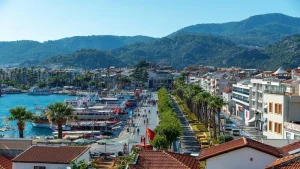
Amos Ancient City

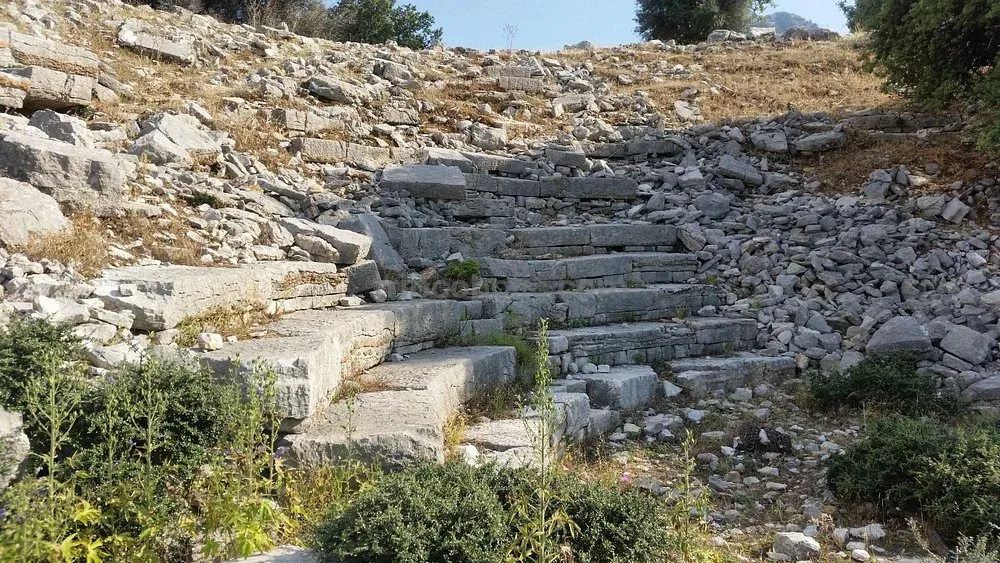

Amos keeps its secrets on a pine covered headland. Here, sea breezes meet ancient stones with quiet grace. The ruins watch two bays like timeless guardians of Caria. You climb gently, then the view opens with sudden beauty. A small theater faces turquoise water and distant hills. Silence settles between cicadas and the rustle of pines. Every step feels close to earlier Rhodian footsteps here. Inscriptions whisper about laws, duties, and community life. This site rewards patience, curiosity, and sturdy shoes. It is compact, peaceful, and wonderfully atmospheric. Travelers seeking calm will feel instantly at home. Bring water, breathe deeply, and linger with the view.
Where is it and How to Get There?
Amos sits near Turunc and Kumlubuk on the Bozburun Peninsula. It lies about 25 kilometers south of central Marmaris. The site crowns a low hill above Amos Bay. Drive from Marmaris toward Icmeler, then continue to Turunc. Follow the winding coastal road down to Kumlubuk. Look for Amos Beach signs near the bay’s northern end. A small parking area serves the beach and path. From there, a footpath climbs to the acropolis. The walk takes about ten to twenty minutes uphill. Surfaces are rocky, so wear grippy, closed shoes. Minibuses connect Marmaris and Turunc during the season. From Turunc, take a taxi or hike the coastal trail. Boat tours sometimes stop near the bay in calm weather. Confirm sea conditions locally before planning a boat approach.
Brief History
Amos belonged to ancient Caria’s coastal network. Its peak came under Rhodian influence during Hellenistic times. This mainland territory was called the Rhodian Peraia. Amos helped control anchorages and nearby sailing routes. The city adopted Rhodian laws and civic practices. Inscriptions found here preserve parts of a law code. They mention duties, penalties, and property regulations. These texts illuminate daily order within the community. Amos later saw Roman era continuity and adaptation. Byzantine traces appear in scattered pottery and repairs. The city eventually declined as routes and priorities shifted. Today, its stones rest above tranquil Aegean waters.
Architecture and Artistic Features
The city crowns a fortified hilltop with commanding views. Hellenistic walls trace a compact, defensible perimeter. You can spot towers and well fitted masonry segments. The theatre is the heart of the visitor experience. Its semicircular cavea hugs the slope naturally. The orchestra lies below, ringed by low stone remains. Foundations hint at a simple skene and backstage. Seating lines frame the sea like a living backdrop. It likely hosted civic gatherings and performances alike. The urban plan followed practical Hellenistic organization here. Streets and terraces adapted cleverly to rugged terrain. Carved blocks and reused stones show layered building phases.
Visitor Information
Plan your visit with comfort and safety in mind.
- Entry is typically free at the hilltop site.
- Access is open during daylight hours only.
- Carry water and sun protection in summer months.
- Wear sturdy shoes with good grip for safety.
- Avoid climbing fragile walls or theatre seats.
- There are no facilities at the summit area.
- Toilets and cafes sit down by Amos Beach.
- Mobile signal can be patchy on the slope.
- Visit early morning or late afternoon for comfort.
- Check local transport schedules outside peak season.
Photo Spots and Tips
The theatre offers the most iconic composition. Frame the cavea with the sea beyond for drama. Step slightly higher for a sweeping bay panorama. Sunrise paints the headland with soft gold light. Sunset warms stones and outlines distant ridges beautifully. Use a wide lens for the theatre and orchestra. Switch to a short telephoto for walls and towers. Mind your footing when composing near edges here. Include pine branches for a natural vignette effect. Capture boats in the bay to show living continuity. Clouds add texture, so watch the sky’s evolving mood. Keep people in scale for depth and storytelling context.
Nearby Places to Visit
Turunc village charms with a small beach and cafes. Swim there after your morning hill walk. Kumlubuk Beach offers clear water and quieter shores. It suits a relaxed lunch and gentle snorkeling time. Marmaris Castle and Museum present regional history highlights. They also offer strong harbor views over the marina. Icmeler’s promenade is pleasant for an evening stroll. Loryma at Bozukkale tempts adventurous travelers with ruins. Boats can reach its dramatic fortress harbor easily. Hydas and Phoenix remain for dedicated ruin hunters nearby.
Consider a coastal boat trip for mixed experiences. Combine swimming coves with light hiking and heritage.
Standing on Amos, time feels pleasantly elastic here. Sea light washes over the theatre’s worn stones. If you visit Marmaris, include this peaceful hilltop. Let its view slow your day and steady your mind. For more ideas, read our Places to Visit in Marmaris guide. Let Amos inspire a deeper Carian journey along the coast.