Antarctica Travel Guide

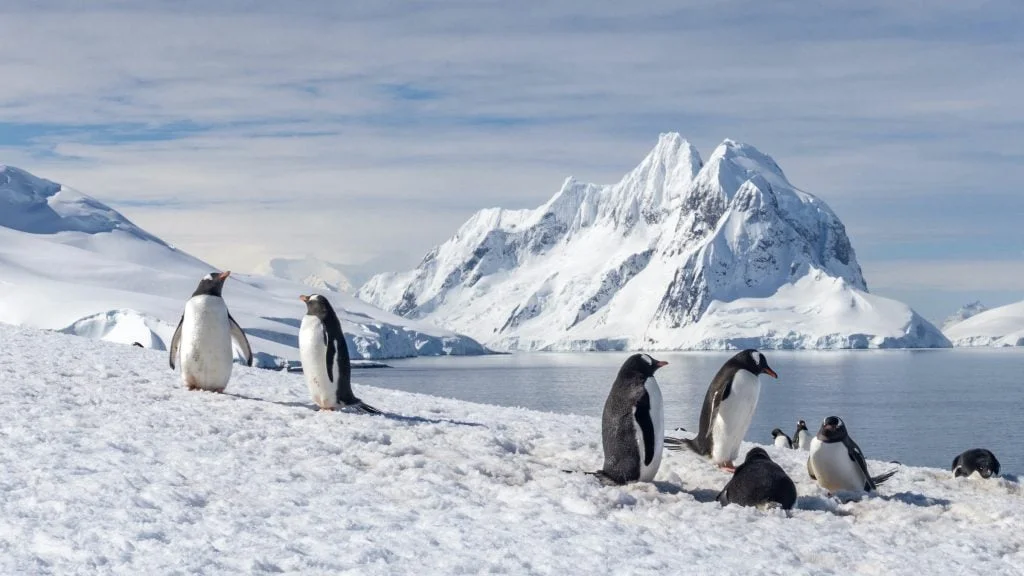

Antarctica isn’t just a place it’s an otherworldly experience. The southernmost continent is a cathedral of icebergs, midnight sun, penguin colonies, and windswept silence. There are no cities, no billboards, and no permanent residents only research stations and expedition vessels threading between glaciers and glittering bays. If you’re dreaming of raw, untamed nature and a once-in-a-lifetime journey, Antarctica delivers in spades.
When to Visit Antarctica?
Antarctica’s travel season runs roughly from late October to March (austral spring to late summer). Early season (Oct–Nov) brings pristine snow and dramatic ice formations; mid-season (Dec–Jan) offers long daylight hours, nesting penguins, and chances to see chicks hatch; late season (Feb–Mar) is prime for whale sightings and softer light for photography. Temperatures are still cold, but comparatively mild along the Antarctic Peninsula where most cruises go. Pack for layers, wind, sun, and wet zodiac landings conditions change fast. → Curious about timing? Read our full When to Visit Antarctica? guide for a month-by-month breakdown and photo tips.
How to Get to Antarctica?
Most travelers visit Antarctica on expedition ships departing from gateway cities like Ushuaia (Argentina), Punta Arenas (Chile), and sometimes from New Zealand or Australia for Ross Sea itineraries. Classic routes cross the Drake Passage to the Antarctic Peninsula; “fly-the-Drake” options skip rough seas with a charter flight to King George Island, boarding your ship there. Expedition cruises range from small adventure vessels (more landings, intimate feel) to premium ships with enhanced comfort. Independent travel isn’t realistic; go with an operator that follows IAATO (International Association of Antarctica Tour Operators) guidelines. → Ready to plan routes and ships? See our How to Get to Antarctica? guide for gateways, operators, and budget ranges.
What to Do in Antarctica
- Zodiac cruises among icebergs: Glide past blue-veined ice, watch seals nap on floes, and feel the scale of towering ice walls.
- Penguin colony landings: Observe gentoo, chinstrap, and Adélie penguins shuttling pebbles and guarding chicks always keep wildlife distance rules.
- Sail the Lemaire Channel: A narrow, mirror-calm corridor of peaks and ice sunrise and sunset here are unforgettable.
- Kayaking excursions: On calm days, paddle through brash ice for a front-row seat to Antarctica’s soundscape of crackling ice.
- Historic sites & research outposts: Visit Port Lockroy’s museum/post office or view stations from a respectful distance.
- Deception Island’s flooded caldera: Zodiac into a volcanic harbor; on some trips, walk black sands and learn its whaling history.
- Whale watching (Feb–Mar): Look for humpbacks bubble-net feeding; orcas and minkes are possible throughout the season.
- Polar plunge: A brisk (okay, freezing) dunk do it once, brag forever.
- Camping on ice (select trips): Sleep under the polar sky (weather/permit dependent), with nothing but the hush of snow.
- Photography workshops onboard: Many expeditions include expert-led sessions for shooting snow, ice, and wildlife ethically.
What to Eat in Antarctica?
There’s no local cuisine in the traditional sense meals are served onboard your expedition vessel or at research stations, where logistics-friendly menus focus on hearty, warming dishes (think soups, roasts, fresh bakes when resupply allows). Expect impressive variety on modern ships: hot breakfasts, salad bars, vegetarian/vegan options, and celebratory dinners on special nights. Hydration matters in the dry polar air, and hot drinks are your best friend after zodiac rides. Before/after your voyage, sample Patagonian fare in gateway cities king crab in Ushuaia or Chilean seafood in Punta Arenas. → Foodie or fueling up? Dive into our What to Eat in Antarctica? guide for sample menus and dietary tips.
What to Buy from Antarctica?
You can’t remove anything natural from the continent (rocks, feathers, bones strictly no). Ethical souvenirs include ship-boutique gear, polar-grade clothing you’ll reuse, expedition patches, maps, polar literature, and stamps/postcards mailed from Port Lockroy when open. Many travelers pick up keepsakes in gateway cities: local crafts, merino base layers, or responsibly sourced jewelry. Prioritize meaningful, durable items over trinkets, and avoid wildlife products entirely. → Want a souvenir checklist? See our What to Buy from Antarctica? guide for ethical ideas and where to find them.
Antarctica Nightlife
No clubs here your “nightlife” is pure polar magic. On board: cozy lounges, slideshow recaps, stargazing when skies oblige, and the social buzz of swapping whale tales. In the heart of summer, dusk lingers or the sun barely sets; on rare shoulder nights, you might glimpse the southern lights (aurora australis), though prime aurora season is winter when tourism pauses. Some ships host themed nights, live music, or a celebratory gala near the voyage’s end. → Want the vibe after dark? Explore our Antarctica Nightlife guide for what evenings really look like at the bottom of the world.
Antarctica Festivals and Fairs
| Event/Festival | Month | Description |
|---|---|---|
| Antarctica Day | December 1 | Marks the 1959 Antarctic Treaty; educational talks and onboard celebrations. |
| Antarctic Ice Marathon | Nov–Dec | A niche endurance event at Union Glacier for qualified participants. |
| Mid-Expedition Celebration | Varies | Many ships hold a “crossing the circle” or midpoint party with lectures and toasts. |
Antarctica Important Days and Holidays
| Date | Event |
|---|---|
| December 1 | Antarctica Day (Treaty commemoration) |
| June 21 | Midwinter Day (station celebrations; not in tourist season) |
| December 21 | Summer Solstice in the Southern Hemisphere |
| April 25 | World Penguin Day (observed by many stations/organizations) |
| June 8 | World Oceans Day |
Essential Tips for Visiting Antarctica
- Choose IAATO-aligned operators: This protects wildlife and habitats; ask about group sizes, landing limits, and biosecurity.
- Respect wildlife distances: Typically 5+ meters from penguins/seals; follow your guides and never block animal pathways.
- Boot-wash & biosecurity: Scrub/decontaminate boots and gear at every landing to prevent introducing species.
- Pack performance layers: Moisture-wicking base, insulating mid-layers, waterproof outer shell; bring spare gloves and neck gaiter.
- Sun + wind protection: High-SPF sunscreen, UV sunglasses with side shields, lip balm ozone is thinner, glare is intense.
- Seasickness strategy: Consult your doctor for preventatives; the Drake can be rough even on big ships.
- Insurance is non-negotiable: Medical and emergency evacuation coverage suited to polar travel is essential.
- Drones generally banned: Respect operator rules and local regulations wildlife disturbance is a real risk.
- Batteries & backups: Cold drains power; keep spares warm and carry dry bags for cameras/phones.
- Leave no trace: Take only photos, leave only footprints (and even those, gently).
Conclusion
Antarctica resets your sense of scale wild, white, and humbling. Come for the penguins and icebergs; leave with a renewed respect for a planet that still has frontiers. If this sounds like your kind of adventure, start plotting your route and timing, and let the ice call you south. → Ready to map it out? Check our Places to Visit in Antarctica guide for the must-see bays, channels, and historic sites.