Burdur Travel Guide

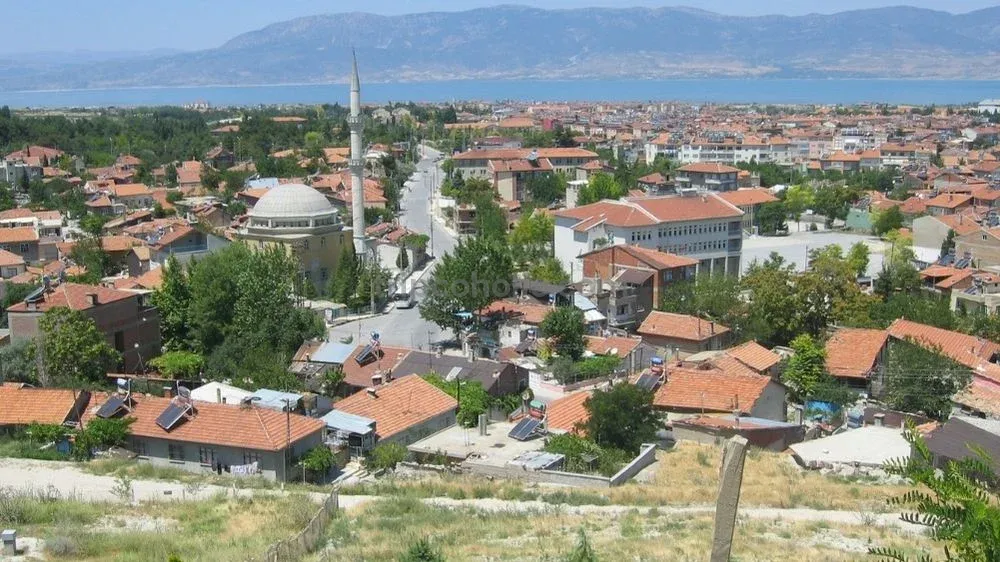

Tucked into Turkey’s scenic Lakes Region in the inner Mediterranean, Burdur is the kind of place that surprises you in the best way: turquoise lakes, mountain air, and ancient cities perched high on the Taurus foothills. Burdur sits in southwestern Türkiye, with easy reach of Antalya’s coast yet a calmer, more local rhythm. Turkey itself borders eight countries (Greece, Bulgaria, Georgia, Armenia, Azerbaijan, Iran, Iraq, and Syria), and Burdur feels like a gentle inland pause between the Aegean, the Mediterranean, and Anatolia’s wide plains. Turkish is the everyday language, Islam is the majority faith, and the local economy blends agriculture and animal husbandry with a strong natural-stone industry (especially the well-known “Burdur Beige” marble), plus growing nature and culture tourism. Burdur Province covers about 7,175 km² and had roughly 275,826 residents in 2024, with the provincial capital centered on the shores of Lake Burdur.
When to Visit Burdur?
Burdur is enjoyable year-round, but timing can shape your trip. Spring (April to June) is perfect for exploring Sagalassos and Kibyra without the heat, with crisp mornings and bright, green landscapes. Summer (July to September) is lake season, ideal for a Salda Lake day trip, though midday sun can be strong and popular spots get busy. Autumn (late September to November) brings golden light and comfortable temperatures for hikes and photography around the Lakes Region, while winter can be chilly with occasional snow, creating a moody, atmospheric backdrop for museums and cozy cafe stops in town. For a month-by-month, weather-smart plan, swing by the When to Visit Burdur article.
How to Get to Burdur?
Most travelers reach Burdur by road, using the city as a relaxed base for the Lakes Region. The closest major flight hub is typically Antalya, with other options such as Isparta or Denizli depending on your route; from there, you can continue by rental car, shuttle, or intercity bus. Burdur’s bus connections are straightforward from nearby big cities, and driving is especially handy if you want to string together Lake Salda, Sagalassos, and Kibyra in a single trip without rushing. For the easiest routes, transfer ideas, and day-trip logistics, don’t miss How to Get To Burdur?
What to Do in Burdur?
- Watch the sunset at Lake Burdur: Stroll the lakeside, and if you love birds, keep binoculars handy because the lake is internationally known for waterbirds.
- Take a day trip to Lake Salda (Salda Gölü): White shores, unreal blue water, and an easy escape into nature near Yeşilova.
- Explore Sagalassos Ancient City (Ağlasun): One of those places where the altitude, the ruins, and the views all compete for your attention, especially around the famous Antonine Fountain.
- Walk the “City of Gladiators” at Kibyra (Gölhisar): A dramatic ancient site on UNESCO’s Tentative List, with standout public buildings and sweeping scenery.
- Go underground at İnsuyu Cave: A classic Burdur stop just outside the city, known for its walkable galleries and cool air.
- Visit the Burdur Museum: A great way to connect the dots after Sagalassos, since many finds from excavations are displayed here.
- Taste the Lakes Region vibe in local villages: Slow breakfasts, small markets, and that “everyone knows everyone” warmth Burdur does so well.
What to Eat in Burdur?
Burdur eats like a place that takes ingredients seriously. Start with Burdur Şiş Köftesi, a locally protected specialty, and follow it with the city’s sweet pride: Burdur Ceviz Ezmesi (walnut paste), also officially registered as a geographical indication. Add a bowl of tarhana-style soup on cooler days, sip a strong ayran with grilled meat, and keep an eye out for simple, homey dishes you’ll spot at local diners, especially around lunchtime. If you want a proper food hit list and where to try each one, head to What to Eat in Burdur?
What to Buy in Burdur?
For gifts that actually feel like Burdur, go for Burdur Ceviz Ezmesi in a good box for the trip home, and look for local products tied to the region’s fields and crafts. The province is also closely associated with natural stone and marble, so small stone souvenirs can be a surprisingly elegant option if you pack carefully. If you’re shopping in summer, lavender-themed items often pop up around seasonal events, and local markets are great for pantry-friendly finds. For a focused shopping guide with the best local picks, check out What to Buy in Burdur?
Burdur Nightlife
Burdur nightlife is more laid-back than flashy, and that’s part of the charm. Think tea gardens, dessert stops, cafes buzzing with students, and low-key spots for conversation rather than big-club energy. On weekends, the city feels livelier, especially around central streets where locals meet up for late dinners and long chats. If you want the best areas to spend your evening and what kind of night Burdur does best, dip into Burdur Nightlife.
Burdur Festivals and Fairs
| Festival / Fair | Typical Timing | Where | What It’s Like |
|---|---|---|---|
| Gölhisar Agriculture, Culture and Tourism Festival | Mid-May (often listed with estimated dates) | Gölhisar | Local concerts, fairs, food stalls, and a proud small-town atmosphere. |
| Burdur Lavender Harvest and Art Days | Late June (often listed with estimated dates) | Burdur (province events) | Lavender-themed markets, photos, and artsy programming. |
| Barutlu Su and Turkic World Festival | Late July to early August (varies by year) | Tefenni | Folk culture focus, community celebrations, summer-night energy. |
| Burdur Living Heritage events (annual-style programming) | Early April (varies by year) | Burdur (city) | Heritage showcases and cultural performances. |
Burdur Important Days and Holidays
| Day / Holiday | Date | Notes |
|---|---|---|
| New Year’s Day | January 1 | Nationwide public holiday. |
| National Sovereignty and Children’s Day | April 23 | Parades and ceremonies across Turkey. |
| Labour and Solidarity Day | May 1 | Public holiday. |
| Commemoration of Atatürk, Youth and Sports Day | May 19 | Stadium events and public ceremonies. |
| Democracy and National Unity Day | July 15 | Commemorations nationwide. |
| Victory Day | August 30 | Public holiday. |
| Republic Day | October 29 | Major national celebrations (with an afternoon holiday on Oct 28). |
| Ramadan Bayramı (Eid al-Fitr) | Varies yearly | Dates follow the lunar calendar; check the current year’s schedule. |
| Kurban Bayramı (Eid al-Adha) | Varies yearly | Dates follow the lunar calendar; plan transport early. |
Burdur Things to Consider When Traveling
- Bring layers: Burdur’s elevation can mean cool evenings even when days are warm.
- Respect protected nature: Lake Burdur and nearby habitats are important for birds; stick to marked areas and keep noise low.
- Plan for distances: The best sights (Salda, Sagalassos, Kibyra) are spread out, so a car or well-timed buses help.
- Carry cash for small stops: Village markets and simple eateries are often easiest with cash.
- Dress thoughtfully: Burdur is welcoming, but modest, comfortable clothing fits best in everyday local settings and rural areas.
- Start early for ruins: You’ll get better light, fewer crowds, and cooler temperatures at ancient sites.
- Eat like a local: Ask what’s fresh that day; Burdur’s best meals are often the simplest ones.
Burdur is a quietly unforgettable corner of Turkey: a lakeside city with a strong local identity, day trips that look like postcards, and ancient stones that still feel alive in the mountain air. If you’re building your itinerary and want the can’t-miss stops in one place, head over to Places to Visit in Burdur for the full list.