Burkina Faso Travel Guide
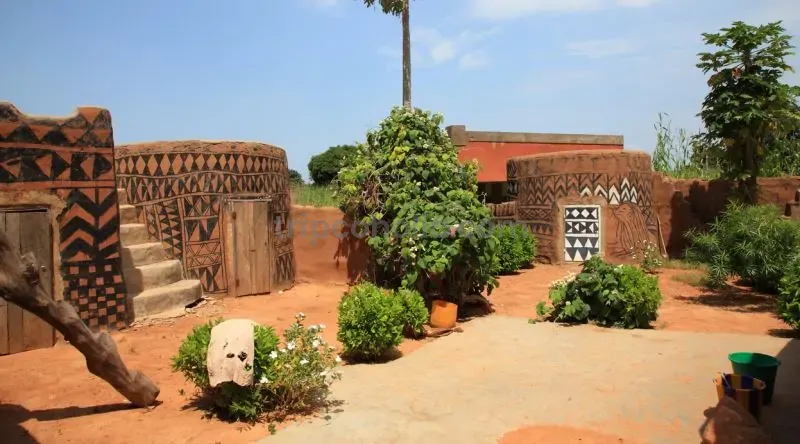

Tucked into the heart of West Africa, Burkina Faso is a landlocked Sahel country bordered by Mali, Niger, Benin, Togo, Ghana, and Côte d’Ivoire, with Ouagadougou as its lively capital. Covering about 274,220 square kilometers, it’s a place of wide skies, savanna landscapes, and warm, community-first culture, home to roughly 23.5 million people. Islam is the majority religion alongside Christian and traditional beliefs, and while French remains widely used in administration and schooling, daily life is richly multilingual with national languages such as Mooré, Dioula, Fulfulde, and Bissa heard everywhere from markets to bus stations. Economically, Burkina Faso is a low-income country where agriculture and mining play major roles, and travelers quickly notice the practical rhythm of a place that keeps moving even in the midday heat.
When to Visit Burkina Faso?
Burkina Faso’s seasons shape everything, from how the air feels to what’s on your plate. The dry season (roughly November to February) is the easiest window for most travelers: cooler evenings, clearer roads, and that golden Harmattan light that makes photography pop. The hottest stretch often lands around March to May, while the rainy season (roughly June to October) turns the countryside lush and brings waterfalls to life, but can slow travel with muddy routes and sudden downpours. If you want a trip built around comfortable sightseeing and long days outdoors, the cooler dry months are the classic choice, while nature lovers may prefer the green season for dramatic landscapes. For a month-by-month breakdown, head to our When to Visit Burkina Faso? article.
How to Get to Burkina Faso?
Most international visitors arrive via Ouagadougou, with regional connections through West African hubs, and some travelers also route through Bobo-Dioulasso depending on schedules and overland plans. Burkina Faso is also reachable by road from neighboring countries, which can be an adventure in itself, especially if you enjoy slow travel and meeting people along the way. Entry rules vary by nationality, so plan for visas and keep your travel documents handy; also note that proof of yellow fever vaccination is required for travelers aged 9 months and older, and it’s commonly checked on arrival. For practical flight routes, border-crossing tips, and what to prepare at the airport, don’t miss our How to Get To Burkina Faso? article.
What to Do in Burkina Faso?
- Get lost in Ouagadougou’s markets: go early, sip sweet tea, and browse fabrics, spices, and everyday life in motion.
- Watch a film at FESPACO time: if your trip aligns, the city becomes a celebration of African cinema and street energy.
- Take a day to breathe at Bangr-Weoogo Urban Park (Ouaga): a calm reset with walking trails and birdlife.
- Spend time in Bobo-Dioulasso: a more relaxed pace, great music culture, and the iconic mud-brick mosque in Dioulassoba.
- Chase the Cascades region: base yourself around Banfora for the Karfiguéla Waterfalls, the Domes of Fabédougou, and lakeside sunsets.
- Hike the Sindou Peaks: dramatic rock formations with trails that feel like you’ve stumbled into a natural sculpture gallery.
- Visit Loropéni Ruins: Burkina Faso’s UNESCO-listed site, an atmospheric stop for history lovers.
- Explore local craftsmanship: workshops and artisan stalls are part of the cultural heartbeat, not just souvenir stops.
- Try a traditional music night: live percussion and dancing can turn an ordinary evening into a memory.
- Plan wildlife carefully: some reserves can offer remarkable sightings, but routes and safety conditions matter, so go with reputable local guidance.
What to Eat in Burkina Faso?
Burkinabè food is honest, filling, and built for sharing. You’ll see staples like tô (a smooth millet or maize paste) served with leafy sauces, hearty bowls of riz gras (seasoned rice), and the famously tasty poulet bicyclette (grilled chicken with a smoky, peppery kick). Street snacks are half the fun: brochettes (skewers), roasted peanuts, mangoes in season, and cold bissap (hibiscus drink) when the heat hits. If you’re invited to try dolo (a traditional millet beer), say yes politely and take it slow, it’s part of the social fabric in many places. For a deeper food list and where to try each dish, jump into our What to Eat in Burkina Faso? article.
What to Buy in Burkina Faso?
Shopping in Burkina Faso is best when you treat it like a conversation, not a transaction. Look for handwoven Faso dan fani cloth, bold batik textiles, carved wooden pieces, bronze figurines, leather sandals and bags, and beautifully made baskets, especially in craft markets and artisan fairs. Shea butter is also a smart, lightweight pickup if you want something practical that locals actually use. Want a ready-to-pack souvenir list (plus what to pay and how to bargain kindly)? Swing by our What to Buy in Burkina Faso? article.
Burkina Faso Nightlife
Nightlife in Burkina Faso leans more “music and community” than flashy, and that’s exactly the charm. In Ouagadougou, evenings often start in open-air spots with grilled meat, cold drinks, and live bands, then drift toward clubs and late-night hangouts depending on the neighborhood. Bobo-Dioulasso is a favorite for its mellow vibe and strong live music culture, where you can find everything from traditional rhythms to modern Afropop. As always, go out with a plan: stick to well-known venues, keep taxis sorted, and lean on local advice for the best nights. For venue styles, etiquette, and the most fun ways to spend your evenings, read our Burkina Faso Nightlife article.
Burkina Faso Festivals and Fairs
| Festival / Fair | When | Where | What to Expect |
|---|---|---|---|
| FESPACO (Pan-African Film and TV Festival) | Late Feb to early Mar (biennial) | Ouagadougou | Screenings, red carpets, outdoor buzz, and citywide celebrations of African cinema |
| SIAO (International Art and Craft Fair) | Often late Oct to early Nov (biennial) | Ouagadougou | Massive artisan market energy, exhibitions, and craft-buying paradise |
| National Culture Week (SNC) | Biennial (dates vary) | Bobo-Dioulasso | Performances, competitions, and a big showcase of Burkinabè cultural traditions |
| FESTIMA (Festival of Masks and the Arts) | Biennial (dates vary) | Dédougou | Mask dances, ceremonies, and regional cultural exchange centered on tradition |
Burkina Faso Important Days and Holidays
| Date | Holiday | What It Means |
|---|---|---|
| Jan 1 | New Year’s Day | Public celebrations and fresh-start energy |
| Jan 3 | Revolution Day | National commemoration |
| Mar 8 | International Women’s Day | Events, speeches, and community programs |
| Mar or Apr (varies) | Easter Monday | Observed by many Christian communities |
| May 1 | Labour Day | Workers’ holiday |
| May 15 | Day of Customs and Traditions | Cultural heritage and traditional practices |
| May or Jun (varies) | Ascension Day | Christian observance |
| Aug 5 | Independence Day | National pride, ceremonies, and festivities |
| Aug 15 | Assumption Day | Christian observance |
| Oct 31 | Martyrs’ Day | Remembrance and national reflection |
| Nov 1 | All Saints’ Day | Christian observance |
| Dec 11 | Proclamation of Independence Day | Historic commemoration |
| Dec 25 | Christmas Day | Celebrations across the country |
| Dates vary (lunar calendar) | Korité (Eid al-Fitr), Tabaski (Eid al-Adha), Mawlid | Major Islamic holidays observed nationwide |
Burkina Faso Things to Consider When Traveling
- Check current safety conditions: routes can change quickly, and some regions may not be advisable without updated local guidance.
- Vaccinations and health prep matter: yellow fever proof is required for entry, and malaria prevention is usually recommended, so plan with a travel clinic.
- Expect heat and dust: pack breathable clothing, sun protection, and something for dry air during Harmattan season.
- Language helps a lot: French is useful, but even a few greetings in Mooré or Dioula can open doors and smiles.
- Cash is king: smaller towns may not have reliable card acceptance, so keep small bills for daily purchases.
- Dress and etiquette: modest clothing is appreciated in many settings, and asking before taking photos is a good rule everywhere.
- Transport takes time: build flexibility into your itinerary for road conditions, checkpoints, and weather.
- Water awareness: stick to sealed bottled water or treated water, especially outside major cities.
- Respect religious rhythms: Friday prayers, Sunday services, and holiday periods can affect opening hours and local pace.
- Bargain gently: negotiating is normal in markets, but friendly and respectful goes further than aggressive haggling.
Burkina Faso rewards travelers who come with curiosity and patience: the kind that lingers over tea, says hello first, and lets the day unfold. Between the cultural pull of Ouagadougou, the easy charm of Bobo-Dioulasso, and the natural beauty around Banfora and Sindou, this is a destination that feels personal fast. When you’re ready to map out your must-see stops, continue with our Places to Visit in Burkina Faso guide.