Burundi Travel Guide

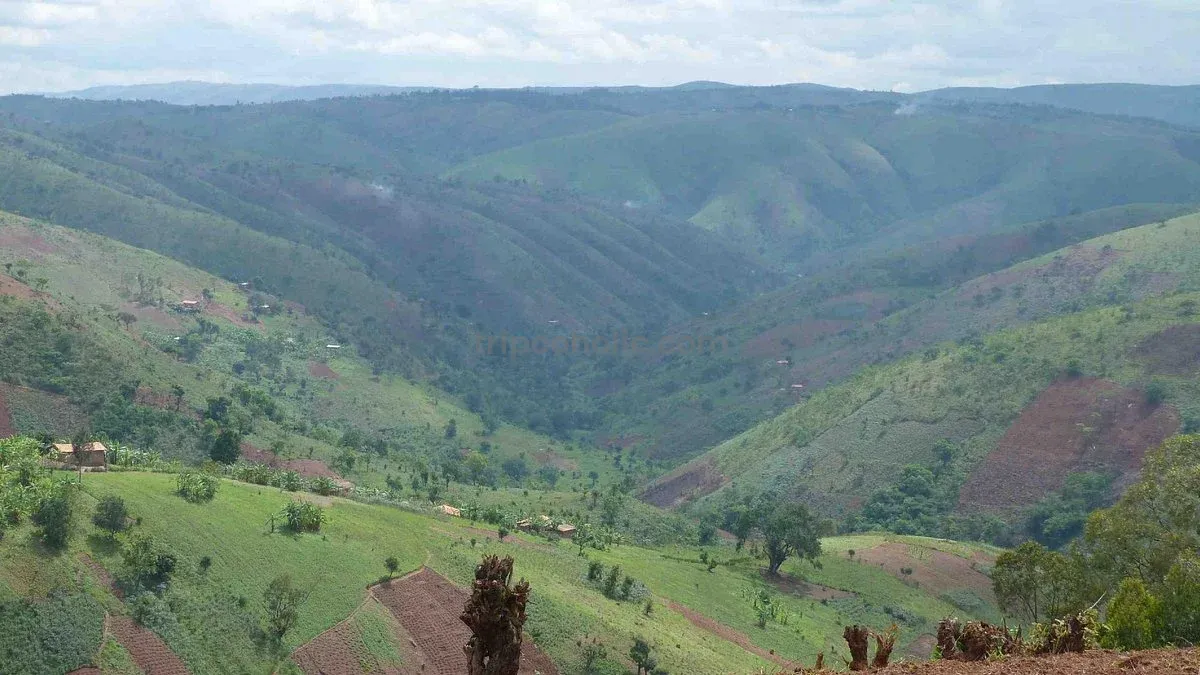

Burundi is a small, mountainous country in East Africa’s Great Lakes region, wedged between Rwanda to the north, Tanzania to the east and south, and the Democratic Republic of the Congo to the west. Despite being landlocked, Burundi has a beautiful stretch of shoreline on Lake Tanganyika one of Africa’s great lakes while the high central plateau keeps temperatures pleasantly mild for much of the year. The country covers about 27,830 km² and is home to roughly 14 million people. Gitega serves as the political capital, while Bujumbura remains the main economic hub on the lake. Burundi’s national language is Kirundi, with French and English also official, and you’ll hear Swahili often in trade and around Bujumbura. Religion is predominantly Christian Catholicism is the largest denomination alongside Protestant communities and a small Muslim minority. Economically, Burundi is largely agricultural, with many people relying on subsistence farming; exports like coffee and tea still matter for foreign earnings.
When to Visit Burundi?
Burundi’s weather is shaped by altitude: warm days, cooler nights, and a rhythm of wet and dry periods that can change a hike (or a road trip) fast. In general, June to August is the driest stretch and a favorite for outdoor time, while January to February is often a smaller dry window in many areas; the wetter months tend to fall around February to May and September to November. For the easiest travel days clearer skies, better road conditions, and relaxed lake time head to the full breakdown in “When to Visit Burundi”.
How to Get to Burundi?
Most international visitors arrive by air through Melchior Ndadaye International Airport (BJM) in Bujumbura, the country’s main international gateway. Overland travel is also possible from neighboring Rwanda, Tanzania, and the DRC, which can be a rewarding way to see the countryside just be sure to confirm current border procedures and entry requirements before you go For routes, practical tips, and what to expect on arrival, keep reading in “How to Get To Burundi?”
What to Do in Burundi?
- Soak up Lake Tanganyika: spend an unhurried afternoon on the sand, take a boat ride, and watch the sunset light up the Congo mountains across the water.
- Explore Bujumbura’s lakeside mood: cafes, local markets, and breezy evenings along the shore make the city an easy starting point.
- Take a day trip to Rusizi National Park for river scenery, birdlife, and the chance of spotting hippos and crocodiles.
- Go green in Kibira National Park, a misty rainforest landscape that’s perfect for nature walks and cooler air.
- Visit Gitega, Burundi’s political capital, for a calmer pace and a deeper cultural feel.
- Step into the National Museum of Gitega to understand royal history, traditional life, and heritage objects.
- Hear Burundi’s heartbeat at Gishora Drum Sanctuary, where royal drumming traditions still thunder across the hills.
- Chase the Karera Waterfalls in the southeast lush, layered cascades that feel like a secret even when you’ve heard about them.
- Make the Rutovu pilgrimage to the monument often promoted as the southernmost source of the Nile one of those “I can’t believe I’m here” travel moments.
- Slow-travel the lakeshore south toward Rumonge for quieter beaches and a laid-back Tanganyika vibe.
What to Eat in Burundi?
Food in Burundi is comforting, filling, and happily uncomplicated exactly what you want after a long day on the road. Look out for bugali (a staple starch), brochettes (often goat skewers), hearty stews like nyama, and green-and-nutty favorites such as renga renga (potato-leaf and peanut stew). Beans and cassava show up everywhere, and local drinks like urwarwa (banana wine) or impeke (sorghum beer) add a festive note when you’re eating with friends. For a dish-by-dish guide (plus what to order where), hop over to “What to Eat in Burundi?”
What to Buy in Burundi?
Shopping in Burundi is at its best when it’s personal: a conversation at a market stall, a craft demo, a smile and a story. Take home locally grown coffee or tea, woven crafts, beadwork, and handmade textiles and if you find a drum-related souvenir, choose one that’s ethically made and easy to pack. For a practical list of what to look for (and how to shop respectfully), read “What to Buy in Burundi?”
Burundi Nightlife
Nightlife in Burundi is mostly about easy evenings rather than all-night chaos think lakeside hangouts in Bujumbura, grilled meat and music, and the kind of bars where you can actually talk. On the right night, you might catch live performance energy inspired by Burundi’s famous rhythm culture, especially around cultural venues and events. When you’re ready to plan your evenings, head to “Burundi Nightlife” for the best areas and ideas.
Burundi Festivals and Fairs
| Festival / Fair | Typical Timing | Where | What It Feels Like |
|---|---|---|---|
| Umuganuro (Sorghum Festival) | Often around year-end (varies) | Traditionally linked to cultural centers | Harvest-time tradition, dance, symbolism, and community pride. |
| Ritual Dance of the Royal Drum (cultural performances) | Year-round (often tied to ceremonies & showcases) | Gitega/Bujumbura and cultural venues | Powerful drumming, dance, poetry, and that “goosebumps” rhythm. |
| Kaze Expo (tourism-focused expo) | August (dates vary) | Bujumbura | A modern-facing event spotlighting travel, culture, and hospitality. |
| Independence Day celebrations | 1 July | Nationwide | Parades, speeches, flags, and a national holiday atmosphere. |
Burundi Important Days and Holidays
| Date | Holiday | Notes |
|---|---|---|
| 1 Jan | New Year | Official holiday. |
| 5 Feb | Unity Day | Listed in several public-holiday calendars. |
| 6 Apr | Ntaryamira Day | Commemorative public holiday in many calendars. |
| 1 May | Labor Day | Official holiday. |
| Ascension Day | (Variable) | Official holiday (moves with Easter). |
| Eid al-Fitr | (Variable) | Official holiday (Islamic calendar). |
| 8 Jun | Nkurunziza Day | Commemorative public holiday in many calendars. |
| 1 Jul | Independence Day | Official holiday. |
| 15 Aug | Assumption | Official holiday. |
| Eid al-Adha | (Variable) | Official holiday (Islamic calendar). |
| 13 Oct | Rwagasore Day | Official holiday (commemoration). |
| 21 Oct | Ndadaye Day | Official holiday (commemoration). |
| 1 Nov | All Saints’ Day (Toussaint) | Official holiday. |
| 25 Dec | Christmas | Official holiday. |
Burundi Things to Consider When Traveling
- Check current entry requirements (visa rules can change) and keep digital + paper copies of key documents.
- Plan transport thoughtfully: long drives can be slow, and road conditions vary by season especially in rainy months.
- Carry cash in small notes for markets and smaller towns; card payment isn’t always reliable outside major hotels.
- Language helps: learning a few Kirundi greetings goes a long way, and French is useful in many formal settings.
- Be respectful with photos, especially around people, markets, and official buildings ask first and accept “no” gracefully.
- Dress with cultural awareness (particularly in churches, rural communities, and memorial spaces).
- Health prep matters: consult a travel clinic for up-to-date vaccine and malaria-prevention guidance before your Burundi trip.
- Stay situation-aware: read the latest official travel advice from your government and ask locally about any areas to avoid.
Burundi rewards travelers who like their destinations a little quieter and a lot more real: lake sunsets, rainforest air, drums that you feel in your chest, and conversations that don’t feel rushed. Whether you come for culture in Gitega, shoreline calm on Lake Tanganyika, or nature escapes like Kibira, Burundi has a way of staying with you long after you’ve unpacked. When you’re ready to map out your must-sees, head straight to “Places to Visit in Burundi” for a curated itinerary.