Crete Travel Guide

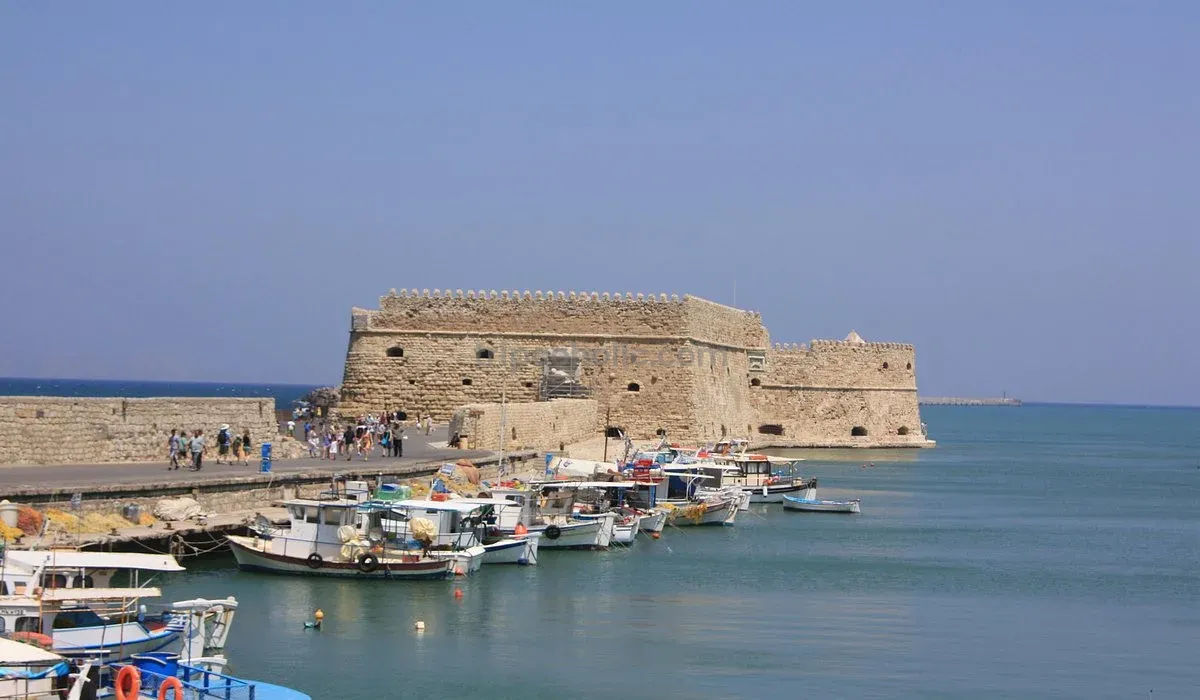

Crete, known as Girit in Turkish, is the kind of Greek island that feels like a whole country on its own. You get dramatic mountain roads, turquoise bays that look unreal at noon, Venetian old towns that glow at sunset, and villages where lunch casually turns into a long, loud, happy afternoon. From Heraklion’s museums to Chania’s postcard harbor and the quiet charm of southern Crete, the island rewards slow travel, good shoes, and an appetite that never quits.
When to Visit Crete?
The best time to visit Crete depends on your travel style. If you want warm sea days and a lively atmosphere, late May to early October is the sweet spot, with July and August bringing the hottest weather and the busiest beaches. For mild temperatures, easier hiking, and fewer crowds, April, May, late September, and October feel perfect in Crete, especially if you are planning nature days like gorges and mountain villages. Winter in Crete is calmer and more local, great for food, culture, and city breaks, though swimming is usually not the main plan. If you want a deeper seasonal breakdown, head over to my When to Visit Crete? article for the best month-by-month picks.
How to Get to Crete?
Getting to Crete is straightforward once you choose your route. Most travelers arrive by air through Heraklion Airport or Chania Airport, with seasonal international flights increasing in summer. If you are combining islands or starting from mainland Greece, ferries from Athens (Piraeus) to Heraklion or Chania area ports are a classic option, especially if you like traveling overnight and waking up to the island. Inside Crete, buses connect major towns reliably, but renting a car is a game changer if you want hidden beaches, small wineries, and flexible sunset stops. For a step-by-step transport plan, check out my How to Get to Crete? article and build the easiest route for your dates.
What to Do in Crete?
- Wander Chania Old Town and follow the Venetian harbor in Crete all the way into the backstreets for tiny shops and relaxed cafés.
- Spend a morning at Knossos near Heraklion to connect with the island’s Minoan history and see why Crete is such a legend in the Mediterranean.
- Swim at Elafonissi Beach for soft sand and shallow, candy-colored water that makes southern Crete unforgettable.
- Hike Samaria Gorge if you want one of Crete’s most iconic outdoor days, especially in the shoulder seasons when the air feels lighter.
- Drive the south coast for slower villages and wilder bays, where Crete feels quieter and more raw.
- Watch sunset at a seaside taverna and let Crete do what it does best: turn simple moments into your favorite memories.
- Explore Rethymno for a mix of Ottoman, Venetian, and modern Crete, with an old town that is made for aimless strolling.
- Visit a mountain village like Anogeia or the Lassithi Plateau area to taste the inland side of Crete and meet its proud traditions.
- Take a boat trip to places like Gramvousa and Balos area viewpoints, where the colors around Crete look almost edited.
- Go beach hopping in eastern Crete if you love road trips, big skies, and less crowded stretches outside the main hubs.
What to Eat in Crete?
Eating in Crete is not just a meal, it is part of the culture. Start with dakos, the crunchy-tender bread salad that tastes like summer, and move on to Cretan cheeses like graviera. Try kalitsounia, small pastries that can be savory or sweet, and do not skip fresh seafood when you are by the water. If you eat meat, slow-cooked dishes and grilled specialties show how rich and comforting Cretan cooking can be, especially in village tavernas. Finish with seasonal fruit and the famous local touch of hospitality, often a little dessert and a small sip of raki. For a full list of must-try dishes and where they shine, jump into my What to Eat in Crete? article and plan your tastiest days.
What to Buy from Crete?
Crete is a shopping paradise if you love edible souvenirs and handmade finds. Olive oil is the obvious star, and it is worth choosing a good bottle from a trusted local shop or producer. Look for Cretan honey, herbs like oregano and mountain tea, and local sweets that travel well. Handmade leather sandals, ceramics, and woven textiles can be beautiful reminders of your time in Crete, especially if you buy them from small workshops in old towns or village markets. If you want a simple checklist of the best gifts and where to find them, take a look at my What to Buy from Crete? article before you start filling your suitcase.
Crete Nightlife
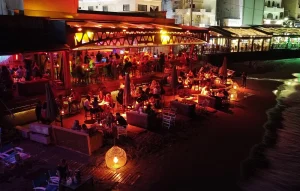
Nightlife in Crete changes completely depending on where you stay. In places like Heraklion and Chania, evenings can start with a harbor-side drink and turn into lively bars with music and crowds. Beach resorts and popular summer towns often go later, while smaller villages keep it simple with relaxed tavernas, local wine, and conversations that last until midnight. If you want to match your base to your vibe, from cocktail bars to late-night beach energy, my Crete Nightlife article will help you pick the right spots.
Crete Festivals and Fairs
| Festival or Event | Month | Description |
|---|---|---|
| Apokries Carnival Season | Feb or Mar | Festive parades and costumes across Greece, dates vary each year and some towns in Crete celebrate with local flair. |
| Orthodox Easter Celebrations | Mar or Apr | The most atmospheric time in Crete for traditions, candlelit evenings, and big family meals, dates vary annually. |
| Cretan Wine and Food Events | May to Sep | Many towns in Crete host seasonal tastings and cultural nights, exact schedules vary by region and year. |
| Rethymno Summer Cultural Program | Jul to Aug | Summer concerts, performances, and open-air events in Rethymno, dates can vary by season. |
| Village Panigiria | Jun to Sep | Local saint day festivals in Crete with live music, dancing, and huge communal dinners, different in every village. |
| Raki Distillation Season Gatherings | Oct to Nov | Autumn in Crete often brings small community celebrations around traditional distillation, timing depends on the area. |
Crete Important Days and Holidays
| Date | Holiday or Observance |
|---|---|
| January 1 | New Year’s Day |
| January 6 | Epiphany |
| Feb or Mar | Clean Monday (start of Lent, date varies) |
| March 25 | Greek Independence Day |
| Mar or Apr | Orthodox Good Friday and Easter (dates vary) |
| May 1 | Labour Day |
| August 15 | Assumption of Mary |
| October 28 | Ohi Day |
| December 25 | Christmas Day |
| December 26 | Second Day of Christmas |
Things to Know Before Visiting Crete
- Distances in Crete are bigger than they look on maps, so plan fewer bases and give yourself breathing room between towns.
- Renting a car in Crete makes beaches and villages far easier, but mountain roads can be narrow, so drive calmly and avoid rushing.
- Bring proper shoes if you plan hikes or old-town wandering, since Crete has uneven stone streets and rugged trails.
- Respect local customs in monasteries and small villages in Crete, especially with clothing and quiet behavior.
- Book key experiences early in high season, like popular beach day trips, since Crete gets busy in July and August.
- Keep cash for small places, because some village tavernas and local shops in Crete may not always prefer cards.
- Sun and wind can be intense, so pack reef-safe sunscreen, a hat, and a light layer for breezy evenings by the sea.
- Eat where locals eat and you will quickly discover that Crete rewards simple menus and family-run kitchens.
Crete is one of those places that fits every mood: beach days, history days, mountain days, and slow-food nights that stretch on forever. If you plan with a little flexibility and follow your curiosity, Crete will feel generous at every turn. When you are ready to map out your itinerary, do not miss my Places to Visit in Crete article for the must-see stops and the hidden gems worth the detour.