Europe Travel Guide

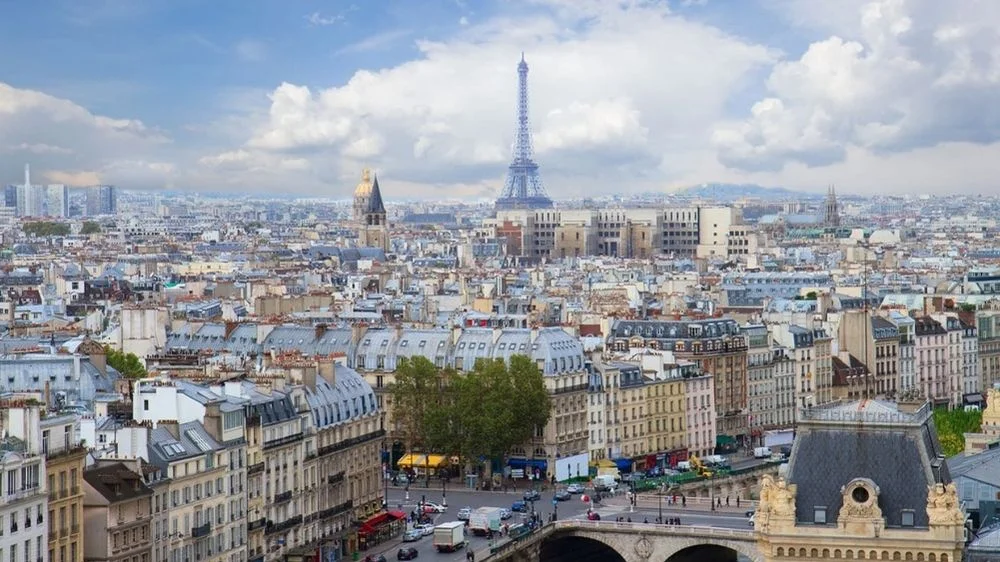

Europe is a compact continent with an incredible concentration of cultures, languages, and landscapes. From storybook old towns and alpine peaks to surf beaches and cutting-edge cities, you can cross borders in hours and feel the vibe change instantly. Whether you are here for food, art, history, or nature, Europe rewards slow travel and curiosity at every turn.
When to Visit Europe?
Spring and early summer bring blooming cities and mild weather, while September and early October offer golden light, grape harvests, and thinner crowds. July and August mean beach time in the south but also higher prices in hotspots. Winter is perfect for Christmas markets, northern lights hunting, and great museum days. If you prefer fewer tourists and fair prices, aim for April to June or September to mid October. Want details by month and region? Read the full Best Time to Visit Europe guide.
How to Get to Europe?
Most travelers arrive by air into major hubs like London, Paris, Amsterdam, Frankfurt, Madrid, Rome, and Istanbul. From within Europe, high speed trains connect capitals efficiently and often beat flying center to center. Ferries knit together Mediterranean islands and the Nordics, while long distance buses keep costs low for backpackers. If you are combining countries, mix a flight into one city with trains or short hops afterward. Looking for route ideas and airport tips? See the full How to Get to Europe guide.
What to Do in Europe?
- Wander iconic old towns. Prague, Dubrovnik, Bruges, and Tallinn deliver cobbles, spires, and postcard views at every corner.
- Chase art in world class museums. The Louvre, the Uffizi, the Prado, Rijksmuseum, and Tate Modern are just the start.
- Road trip dramatic coasts. Ireland’s Wild Atlantic Way, Portugal’s Algarve cliffs, and Italy’s Amalfi Coast are unforgettable.
- Hike and ride the Alps. Base in Chamonix, Zermatt, or the Dolomites for trails, via ferrata, and glacier views.
- Taste your way across regions. Tapas in Spain, pasta in Italy, cheeses in France, mezze in Greece, pastries in Austria and Portugal.
- Island hop. The Greek Cyclades, Croatia’s Dalmatian islands, and Spain’s Balearics each offer clear water and distinct moods.
- Soak in history. Rome’s Forum, Athens’ Acropolis, Berlin’s memorials, and Normandy’s D Day beaches bring the past to life.
- Chase nightlife in great music cities. Berlin, Amsterdam, Barcelona, and Belgrade keep the party going late.
- Ride scenic trains. The Bernina Express, West Highland Line, and Glacier Express prove the journey can be the destination.
- Explore Christmas markets. Vienna, Munich, Strasbourg, and Prague glow with lights, mulled wine, and crafts in December.
What to Eat in Europe?
Europe is a feast for all budgets. Snack on Spanish pintxos, twirl Roman cacio e pepe, tuck into French bistro classics, savor Greek seafood on the harbor, and warm up with Hungarian goulash or Polish pierogi. Seek regional specialties at local markets, try daily menus at lunch for value, and book destination restaurants in advance in peak seasons. Hungry for a city by city breakdown and must try dishes? Dive into our What to Eat in Europe guide.
What to Buy from Europe?
Look for items with strong local roots. Think French perfumes, Italian leather and ceramics, Portuguese azulejo tiles, Spanish olive oil, Swiss chocolate, Belgian beer and pralines, Scandinavian design pieces, Scottish tweed, and Baltic amber. Neighborhood markets and independent boutiques are best for authentic finds. Want a curated list by country and neighborhood? Browse the What to Buy in Europe guide.
Europe Nightlife
From techno temples in Berlin and warehouse parties in Amsterdam to rooftop bars in Lisbon and wine bars in Paris, Europe’s after dark scene is diverse and welcoming. Start with an aperitivo in Italy, join a flamenco tablao in Spain, catch live jazz in Copenhagen, or dance till sunrise in Belgrade. For venues, dress codes, and late night transit tips, jump to the Europe Nightlife guide.
Europe Festivals and Fairs
| Festival or Event | Month | Description |
|---|---|---|
| Venice Carnival | Feb | Masked balls, canal parades, and renaissance pageantry in Venice. |
| St. Patrick’s Day, Dublin | Mar | Citywide parade, music, and a sea of green across Ireland’s capital. |
| Cannes Film Festival | May | Global cinema spotlight with red carpet screenings on the Riviera. |
| Primavera Sound, Barcelona | May Jun | Indie and electronic heavy lineup on the Mediterranean. |
| Glastonbury, UK | Jun | Legendary multi stage music festival, sells out fast. |
| Running of the Bulls, Pamplona | Jul | Historic San Fermín festivities with processions and concerts. |
| Tomorrowland, Belgium | Jul | Spectacular electronic music festival near Antwerp. |
| Edinburgh Fringe | Aug | World’s largest arts festival, comedy and theater all month. |
| La Tomatina, Buñol | Aug | Playful tomato fight near Valencia, quick sell out for tickets. |
| Oktoberfest, Munich | Sep Oct | Massive beer tents, Bavarian food, bands, and fairground rides. |
| Christmas Markets, Central Europe | Dec | Mulled wine, crafts, and lights across Germany, Austria, and beyond. |
Europe Important Days and Public Holidays
| Date | Event |
|---|---|
| Jan 1 | New Year’s Day, continent wide public holiday. |
| Jan 6 | Epiphany, public in parts of Spain, Italy, and Central Europe. |
| Mar Apr | Easter dates vary, Good Friday and Easter Monday widely observed. |
| May 1 | Labor Day, major public holiday across Europe. |
| May 8 or 9 | Victory in Europe Day, observed in several countries. |
| Late May Jun | Ascension and Pentecost, public in many countries. |
| Jul 14 | Bastille Day, France’s national holiday. |
| Late Jun | Midsummer, big in Sweden, Finland, and the Baltics. |
| Aug 15 | Assumption Day, public in much of Southern and Central Europe. |
| Nov 1 | All Saints’ Day, public in many Catholic regions. |
| Dec 25 | Christmas Day, continent wide. |
| Dec 26 | Boxing Day or St. Stephen’s Day, public in many countries. |
Things to Know for a Europe Trip
- Visas and entry : Schengen rules apply to many countries, check your passport validity and stay limits before booking.
- Money : Euro is common, though the UK, Switzerland, Denmark, Sweden, Norway, and others use their own currencies. Cards are widely accepted.
- Transport : Trains are excellent for mid range distances. Book early for cheaper fares and seat reservations on popular routes.
- Language : English works in most tourist areas, learning basic local greetings goes a long way.
- Safety : Cities are generally safe, watch for petty theft in crowds and on public transport.
- Health : Tap water is usually safe. Carry travel insurance and any prescriptions in original packaging.
- Tipping : Often optional or modest. In restaurants, 5 to 10 percent or rounding up is common where service is not included.
- Season packing : Layers for spring and fall, breathable fabrics for summer, proper winter gear for the Alps and Northern Europe.
- Connectivity : Buy an eSIM or local SIM for data. Trains and cafes often offer reliable Wi Fi.
- Sustainability : Use trains, refill bottles at public fountains, and support local producers at markets.
Europe invites you to design your own rhythm, whether that is gallery hopping, island lazing, mountain air, or midnight music. If you are stitching together your dream itinerary and want inspiration by region and theme, explore our Places to Visit in Europe guide.