Tbilisi Travel Guide

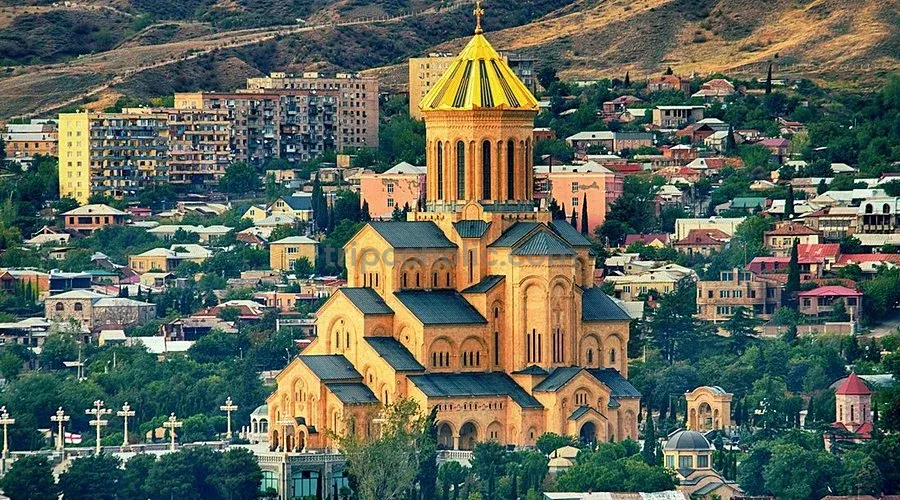

Tbilisi is a city that wins you over fast, with balconies that lean toward sunlit courtyards, sulfur bath domes peeking over the river, and a food scene that makes you linger at the table longer than planned. Set in the heart of the Caucasus on the banks of the Kura River, the Georgian capital blends medieval streets, Art Nouveau houses, Soviet layers, and bold contemporary design. It is compact, walkable, and full of warm hospitality, which makes Tbilisi perfect for a long weekend or a deeper dive into Georgian culture.
When to Visit Tbilisi?
Spring and fall are the sweet spots in Tbilisi. April to June brings blooming courtyards, mild temperatures, and vineyard day trips without heat haze. September and October mean grape harvest season, golden hillsides, and the city’s signature festival Tbilisoba. Summer is lively yet can be hot, especially in July and August, while winter is calm with Christmas markets and good prices. For the full seasonal breakdown and smart packing tips, see our When to Visit Tbilisi guide.
How to Get to Tbilisi?
Most travelers arrive via Tbilisi International Airport, with easy taxi or rideshare access to the center in about 25 to 35 minutes depending on traffic. From nearby countries, overnight trains and intercity buses link Tbilisi with Batumi, Yerevan, and Baku, while marshrutka minibuses connect regional hubs. Inside the city, the Metro is simple and useful, and contactless cards make it easy to switch between buses and metro. Planning your route and entry options from different countries is even easier with our dedicated How to Get to Tbilisi guide.
What to Do in Tbilisi?
- Stroll the Old Town and Abanotubani : Wander narrow lanes lined with carved wooden balconies, then spot the brick domes of the historic sulfur baths.
- Take the cable car to Narikala Fortress : Ride up from Rike Park, soak in skyline views, then walk down through botanical paths to the old streets.
- Book a private room at a sulfur bathhouse : A classic Tbilisi ritual, complete with hot stone, scrub, and a plunge pool experience.
- Explore Fabrika and Marjanishvili : A Soviet sewing factory turned creative hub packed with cafés, street art, and indie boutiques.
- Visit the Chronicle of Georgia : Monumental stone columns overlooking the Tbilisi Sea, great for photos and sunset light.
- Dive into the National Museum and the Museum of Georgia : Gold treasures, Silk Road stories, and rotating exhibitions that put the Caucasus in context.
- Walk the Dry Bridge flea market : Hunt for vintage cameras, enamel pins, rugs, and curious Soviet memorabilia.
- Day trip to Mtskheta : Just outside Tbilisi, Svetitskhoveli Cathedral and Jvari Monastery offer stunning history and views.
- Sip and learn in a natural wine bar : Taste qvevri wines and get a primer on Georgia’s ancient winemaking traditions.
- Sunset on the Peace Bridge and Rike Park : Modern architecture meets river reflections and a relaxed evening stroll.
What to Eat in Tbilisi?
Come hungry. Start with khinkali dumplings, twist top and sip the broth, then move to khachapuri in its many forms like Adjarian with an egg in the center. Order pkhali vegetable spreads, badrijani nigvzit eggplant with walnut, lobio bean stew in a clay pot, and mtsvadi grilled meats. Pair with amber qvevri wines and finish with churchkhela walnut candies or a slice of honey cake. For a curated list of restaurants, street eats, and regional specialties worth chasing, head to our What to Eat in Tbilisi guide.
What to Buy from Tbilisi?
Look for hand painted enamel jewelry, felted wool slippers, traditional blue tablecloths with Georgian motifs, ceramics, local teas, and artisan chocolates infused with wine must. Churchkhela travels well, as do spice blends like blue fenugreek and khmeli suneli. If you browse Dry Bridge, choose carefully and avoid restricted antiques. For market addresses and fair price tips, check our What to Buy from Tbilisi guide.
Tbilisi Nightlife
Evenings in Tbilisi stretch from cozy wine bars in Sololaki to cocktail dens around Vera and Erekle II Street. For live music, scout intimate venues and cultural centers, while electronic fans look to clubs with weekend lineups. Warm months spill onto terraces, and many spots have strong kitchen programs for late bites. To map neighborhoods and find the right vibe for your night out, see our Tbilisi Nightlife guide.
Tbilisi Festivals and Fairs
| Event or Festival | Month | What to Expect |
|---|---|---|
| Tbilisoba | October | Citywide celebration with concerts, folk dances, food stalls, and wine tastings. |
| New Wine Festival | May | Dozens of producers pouring the latest vintages, a great intro to qvevri styles. |
| Tbilisi Open Air | June | Outdoor music festival with local and international acts. |
| Art Gene Festival | Summer | Folk culture, crafts, and performances across city venues and museums. |
| Tbilisi International Film Festival | December | Screenings, panels, and awards highlighting regional cinema. |
| Christmas Markets | December | Festive lights, gifts, mulled drinks, and seasonal sweets. |
Tbilisi Key Dates and Holidays
| Date | Occasion |
|---|---|
| January 1 to 2 | New Year Holidays |
| January 7 | Orthodox Christmas |
| January 19 | Epiphany |
| March 8 | International Women’s Day |
| April 14 | Mother Language Day |
| Good Friday to Easter Monday | Orthodox Easter period, movable dates |
| May 9 | Victory Day |
| May 26 | Independence Day |
| August 28 | Mariamoba Dormition of Mary |
| October 14 | Svetitskhovloba Mtskheta Day celebrated widely in the region |
| November 23 | St George’s Day |
Things to Know Before Your Tbilisi Trip
- Money and payments : Currency is Georgian lari GEL, cards widely accepted, keep small cash for markets and marshrutkas.
- Language basics : Georgian is the official language, English is common in hospitality, a few words like gamarjoba hello go a long way.
- Getting around : Metro and buses use a reloadable card, taxis and rideshares are affordable, agree on prices if hailing on the street.
- Safety and etiquette : Tbilisi is generally safe, keep usual city awareness, dress modestly in churches, cover shoulders when required.
- Health and water : Tap water is commonly considered safe in the center, if in doubt choose bottled, pharmacies are easy to find.
- Connectivity : Local SIMs are inexpensive, eSIMs are widely available, Wi Fi is common in cafés and hotels.
- Power plugs : Type C and F, 220V. Bring a universal adapter if needed.
- Tipping culture : Many bills include a service fee, otherwise 5 to 10 percent in restaurants is appreciated.
- Bathhouse etiquette : Book ahead for private rooms, bring swimwear if you plan to use shared pools, tips for attendants are customary.
- Day trips : Mtskheta, Kakheti wine country, and the David Gareja area are popular and easy to arrange.
Tbilisi wraps history, flavor, and creativity into a city that always feels personal, whether you are soaking in a sulfur bath or sipping a sunset amber wine. If this guide inspired your itinerary and you want a hit list of must see sights with smart routing, jump to our Places to Visit in Tbilisi guide.