What to Eat in Crete?


Crete is the kind of island that feeds you like family, whether you arrive in a bustling harbor town like Chania or a tiny mountain village where time moves slower. The food culture here is stitched into daily life, shaped by olive groves, wild herbs, sheep and goat farms, and the sea that always feels close. Meals are rarely rushed, and even the simplest plate can taste unforgettable when it is drizzled with peppery olive oil and paired with a small glass of local spirit. If you are Googling “What to Eat in Crete?” or building your own “Girit yemek rehberi,” think of this as your edible roadmap across the island. Crete’s flavors lean honest and bold, with bright tomatoes, tangy cheeses, aromatic greens, and slow-cooked meats that fall apart at the touch. Come hungry, because this island does not do small portions or small hospitality.
Dakos: The Island’s Crunchy Tomato Rusk
Dakos is Crete’s beloved answer to a perfect, no-fuss bite, built on barley rusks that are briefly softened with a splash of water. On top comes grated tomato, crumbled mizithra or feta, oregano, and a generous pour of Cretan olive oil that smells like fresh-cut grass. It is salty, juicy, and crunchy all at once, with the rusk turning pleasantly chewy at the edges. Locals eat it as a quick lunch, a beach snack, or the first plate on a shared table when friends gather. If you want to understand “Girit yöresel yemekleri” in one mouthful, start right here.
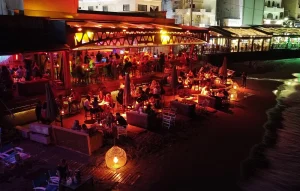
Tamam Restaurant in Chania is frequently praised for classic Cretan plates served in a warm, welcoming setting. Order dakos early in your meal so it arrives at peak texture, with the tomato still bright and cool. The olive oil tends to be a star here, so notice its aroma before you take the first bite. Pair it with a simple salad and you will feel how Cretan cooking leans on quality rather than fuss. If you go at peak hours, aim for a relaxed pace because meals here are meant to linger.
Kalitsounia: Little Cheese Pies with Big Comfort
Kalitsounia are small pastries that can be baked or fried, usually filled with soft cheese and herbs, and they show up in homes, bakeries, and celebrations. The filling often features mizithra, sometimes with a touch of mint or local greens, giving a gentle, creamy tang. When fried, the edges go crisp and blistered, while the center stays tender and slightly salty. Some versions lean sweet with a drizzle of honey, which turns them into an easy dessert you can eat with your fingers. They are the kind of snack that disappears fast, so ordering a plate “for the table” rarely works out.
Gamopilafo: Wedding Rice Worth Traveling For
Gamopilafo is a rich rice dish traditionally served at weddings, and it tastes like a celebration even on an ordinary night. It is cooked in a deeply flavored broth, often made with meat stock, then finished with lemon and a glossy sheen of butter or staka, a Cretan dairy treasure. The texture is creamy but not heavy, and the lemony lift keeps each spoonful bright. In many places it is served alongside slow-cooked goat or lamb, turning it into a full, comforting meal. This is a signature stop on any Crete food guide because it carries both flavor and tradition in the same bowl.
Peskesi in Heraklion is widely known for showcasing Cretan ingredients with a strong sense of place. Gamopilafo here is often cooked with careful attention to broth depth, so the rice tastes layered rather than flat. Ask what local fat they finish it with, because staka can add a dreamy, buttery richness. Take your time and notice how the lemon cuts through the creaminess without turning sharp. It is a good spot to try other island staples on the same table, especially if you want a broader “Girit yemek rehberi” experience.
Antikristo Lamb: Fire-Roasted Tradition from the Mountains
Antikristo is lamb cooked slowly by an open fire, arranged so the heat roasts it gently rather than scorching it. The method comes from shepherd life in the mountains, where simple techniques had to deliver big flavor. The meat develops a smoky crust while staying juicy inside, with fat rendering into a savory perfume that hangs in the air. Usually it is seasoned simply, letting the lamb and smoke do the talking. When you taste it, expect a primal, clean flavor that feels deeply Cretan.
Dounias in the village of Drakona is often celebrated for slow cooking and wood-fired flavors that feel rooted in old Crete. Antikristo here tends to arrive tender, with a gentle smokiness rather than harsh char. The setting adds to the experience, because countryside meals in Crete taste different when you can smell pine and hearth smoke. Pair it with rustic greens and local wine, and you will get a full mountain-table feeling. Plan for a leisurely visit, because food cooked with fire works on its own schedule.
Chaniotiko Boureki: Potato, Zucchini, and Comfort in a Pan
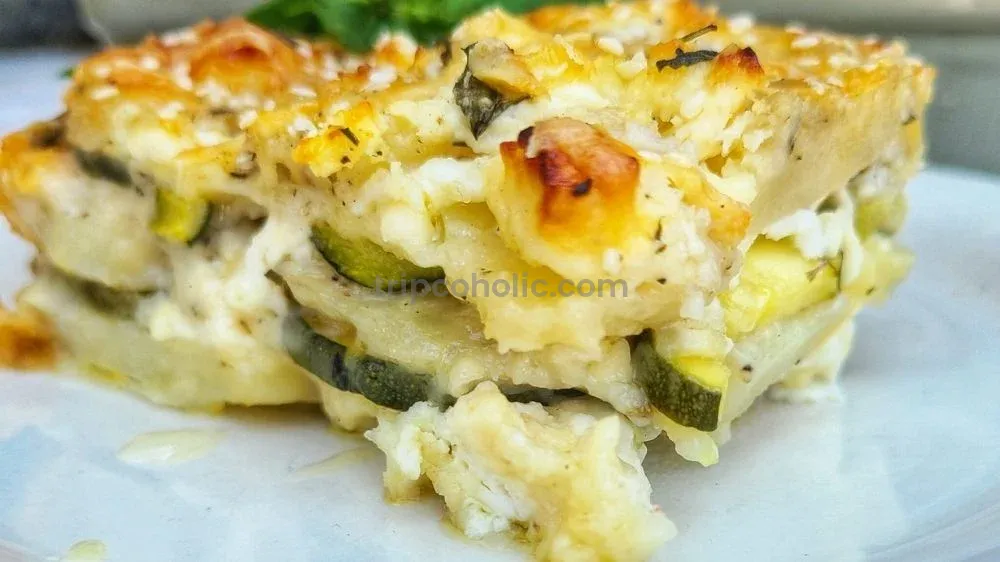
Chaniotiko boureki is a baked dish from Chania that layers thinly sliced potatoes and zucchini with soft cheese and herbs. It is not a flaky pastry pie, but a pan-baked comfort dish that holds together in warm slices. The vegetables turn silky at the edges, and the cheese melts into the gaps, making every forkful creamy and fragrant. Spearmint or other herbs often appear, giving it a fresh twist that surprises people expecting something heavier. It is especially satisfying after a long day of walking old town alleys and seaside promenades.
Avli in Rethymno is frequently mentioned by travelers for polished takes on Cretan classics. Their cooking tends to highlight herbs and olive oil, which suits boureki’s vegetable-forward soul. If you order it, taste the herbs carefully because mint can be subtle but memorable. A crisp local white wine or even sparkling water makes the flavors feel brighter. It is a great stop if you want a calm, sit-down meal between beach time and evening strolling.
Stamnagathi: Wild Greens with a Cretan Bite
Stamnagathi is a wild green, often described as slightly bitter and peppery, and it is a proud symbol of Crete’s love for foraging. You might see it lightly sautéed with olive oil and lemon, or served as a salad with a simple dressing. The taste is clean and herbal, and the bitterness is the good kind, the kind that makes you want another bite. Locals value greens like this for both flavor and wellness, and they often appear alongside meat dishes to balance richness. If you enjoy vegetables with personality, stamnagathi is a must.
Apaki: Smoked Pork That Smells Like a Spice Market
Apaki is smoked pork, traditionally flavored with vinegar and aromatic spices, and it shows how Crete preserves flavor with craft. The slices are often served warm with greens, tucked into rustic dishes, or simply brought out as a meze to share. It tastes smoky and savory, with a gentle tang that keeps it from feeling heavy. The aroma can be intoxicating, especially when it hits a hot pan and the spices bloom. It is perfect with a small sip of local spirit and a plate of tomatoes on the side.
Sfakian Pie: A Sweet-Savory Pocket from Sfakia
Sfakian pie is a thin, pan-cooked pie from the Sfakia region, filled with soft cheese and finished with honey. The dough is rolled thin, cooked until lightly blistered, and folded so the cheese warms without oozing out. Once honey flows over the top, you get a beautiful contrast of salty and sweet, plus a toasty, wheaty aroma. It is often served as a dessert, but it can also be a satisfying snack if you are on the road. Few bites capture Cretan simplicity and balance as neatly as this one.
Bougatsa of Chania: Creamy Morning Happiness
Cretan bougatsa, especially in Chania, is a breakfast ritual that feels like a warm hug. The filling is usually a soft semolina cream, tucked inside thin pastry that shatters into delicate flakes. A dusting of cinnamon and sugar adds fragrance, and the steam rising from the first cut is half the joy. It is sweet but not overwhelming, and it pairs beautifully with strong coffee. If you start your day with bougatsa, everything afterward tastes like vacation.
Bougatsa Iordanis in Chania is a classic address that many visitors seek out for its long-standing bougatsa tradition. The pastry is often praised for being crisp without turning greasy, which is exactly what you want early in the day. Eat it fresh and warm so the cream stays silky and the layers stay loud and crackly. Cinnamon here feels like an aroma you wear, not just a topping you taste. Go early if you can, because mornings are when bougatsa shines brightest.
Kakavia: Fisherman’s Soup with Sea in Every Spoon
Kakavia is a traditional fisherman’s soup, built from the day’s catch and kept simple so the sea stays center stage. The broth is usually clear and fragrant, with olive oil, lemon, and sometimes potatoes or vegetables to round it out. Each spoonful tastes briny, fresh, and comforting, like a calm harbor in a bowl. It is often served with bread for dipping, which turns the meal into a slow, satisfying ritual. Order it near the coast, and it will feel like the island is telling you a story.
Xerotigana: Honey-Soaked Spirals for Celebrations
Xerotigana are crispy spirals of fried dough, drenched in honey and sprinkled with nuts and spices. They are common at weddings and festivals, and they taste like joy made edible. The texture is the best part, crackly edges, airy inside, and sticky sweetness tying it all together. Honey in Crete can be intensely aromatic, often carrying notes of thyme, which makes this dessert smell as good as it tastes. If you have room after a heavy meal, xerotigana is a sweet finish that still feels light on the tongue.
Tsikoudia: The Spirit of Cretan Hospitality
Tsikoudia, also called raki in everyday talk, is the clear grape spirit that arrives at your table like a friendly handshake. It is often offered after meals, sometimes with fruit or a small sweet, and refusing can feel like rejecting warmth itself. The taste is strong, clean, and fiery, but good tsikoudia carries a gentle grape aroma that softens the burn. Locals sip it slowly, using it to stretch conversation rather than rush a buzz. If you want to feel the social rhythm behind “Crete food guide” lists, this is the drink that reveals it.
Crete is not just a place where you eat well, it is a place where food becomes part of the memory you take home. The island’s best dishes are tied to landscapes: mountain smoke in antikristo, garden herbs in boureki, sea salt in kakavia, and honeyed sweetness in xerotigana. If you follow this “What to Eat in Crete?” list as a loose plan, leave space for surprises like a roadside taverna salad or a bakery you stumble into by accident. Try a little of everything, and notice how often the simplest ingredients taste the most alive here. When you are ready to plan the rest of your trip, you can continue with a Crete Travel Guide and a Things to Do in Crete article to connect these flavors with beaches, old towns, and mountain villages. And if you go home craving olive oil and herbs, that is normal, Crete has a way of sticking with you.