What to Eat in Germany?


Germany is a land of forests, castles, and storybook towns, yet its culinary world is just as enchanting. From sizzling sausages fresh off the grill to slow-braised roasts that perfume the kitchen, the country’s food culture is rooted in regional pride and hearty, honest flavors. Every state has its specialties, and locals care deeply about how things are made, from butcher to bakery to brewery. Whether you are eating at a lively beer hall or a family-run Gasthaus, you will taste tradition in every bite. If you are planning a culinary route and wondering what to eat in Germany, this Germany food guide will walk you through the classics, the regional gems, and the sweet endings worth seeking out.
Bratwurst: Germany’s Iconic Sausage
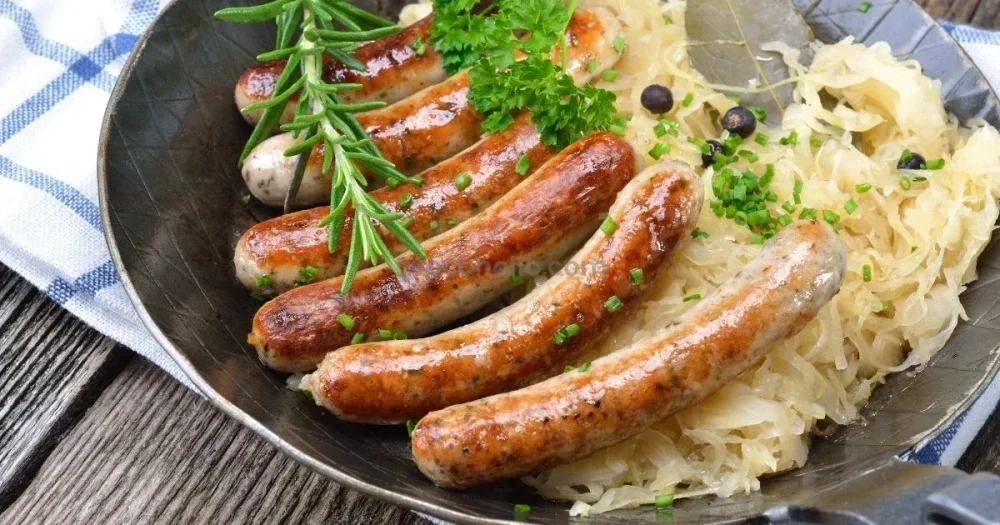
Bratwurst is the sausage you will spot at markets, football matches, and backyard grills, a true everyday favorite with endless regional variations. The aroma is smoky and meaty, the casing snaps when you bite, and inside is juicy pork seasoned with salt, pepper, and often marjoram. Franconian and Thuringian styles tend to be leaner and more herb-forward, while Nuremberg bratwurst are petite and intensely savory. It is typically grilled, served in a crusty roll with mustard, or plated with sauerkraut and potato salad. If your Germany food guide list has room for only one sausage, make it this one. It captures the heart of German street food and pairs beautifully with a cold local beer.
Where to try
- Top rated grill stand near a central market in Nuremberg
- Traditional beer garden in Munich with open charcoal grills
- Family run butcher shop with a lunch counter in Thuringia
Currywurst: Berlin’s Street Food Classic
Invented in postwar Berlin, currywurst is a playful twist on sausage that tastes like comfort and late nights. A sliced, grilled or steamed sausage is bathed in a tangy ketchup sauce dusted with curry powder, sometimes with extra heat. The sauce is sweet, tomatoey, and lightly spiced, which makes every bite bright and addictive. Most locals go for a side of crisp fries and a dollop of mayo, eaten from a paper tray while people watching. You can find variations that use veal or vegan alternatives, yet the magic lies in the balance of smoke, spice, and sweetness. If you are searching what to eat in Germany on a quick city break, this snack is wonderfully Berlin.
Where to try
- Highly reviewed street stall in Kreuzberg
- Classic snack stand near Alexanderplatz with steady queues
- Neighborhood Imbiss in Prenzlauer Berg known for homemade sauce
Schnitzel: Golden, Crispy Comfort
Schnitzel is the golden classic that arrives bigger than the plate, all crunch outside and tenderness within. Typically made from pork or veal, the meat is pounded thin, lightly floured, dipped in egg, and coated in airy breadcrumbs before being fried to a delicate crisp. It is often served with lemon wedges, warm potato salad, or a cool cucumber salad that cuts through the richness. The first bite is all texture, then gentle savoriness with a citrus lift. While Vienna might claim the most famous version, Germany’s Gasthäuser turn out excellent renditions that feel instantly homey. For your Germany food guide, think of schnitzel as the ultimate comfort stop on a chilly evening.
Where to try
- Time honored Gasthaus in Munich’s old town
- Well loved neighborhood restaurant in Frankfurt
- Cozy family bistro in Stuttgart with seasonal sides
Sauerbraten: Slow Braised Sunday Favorite
Sauerbraten is a marinated pot roast that showcases patience and balance. Beef is soaked for days in a vinegar and spice brine, then slow braised until spoon tender, yielding a sauce that is tangy, slightly sweet, and deeply savory. Regional styles vary, with some adding gingerbread to round the sauce and others leaning into clove and bay. It is typically served with potato dumplings or Spätzle and a side of red cabbage that perfumes the plate with warm spice. The meat shreds softly, the gravy coats your palate, and every bite tastes like Sunday at grandma’s. It is a hallmark of German regional dishes and a must for anyone exploring traditional kitchens.
Where to try
- Historic Rhineland tavern with a weekly Sunday roast
- Traditional Franconian restaurant praised for dumplings
- Family run Cologne eatery with time tested marinade
Käsespätzle: Swabian Cheesy Noodles
Käsespätzle is Germany’s answer to mac and cheese, a bubbling dish of handmade noodles baked with mountain cheese and golden onions. Spätzle dough is pushed through a press into boiling water, creating rustic strands with a tender bite. The noodles are layered with grated cheese, often Emmental or Bergkäse, then crowned with slow caramelized onions that bring sweetness and crunch. The aroma is nutty and buttery, the texture stretchy and luxurious. It is hearty enough to be a main dish, especially after a day of hiking in the Alps. Add this to your Germany food guide when you crave warmth in a skillet.
Where to try
- Alpine style tavern in Füssen serving cast iron portions
- Popular Swabian kitchen in Ulm with housemade noodles
- Mountain hut style eatery in Garmisch with panoramic views
Maultaschen: Swabian Stuffed Pasta
Maultaschen are plump pockets of pasta filled with a savory mix of minced meat, spinach, onions, and herbs. Legend says monks invented them to hide meat during fasting, and that playful origin survives in their generous fillings. They can be served in broth like a delicate soup, pan fried in butter until crisp at the edges, or sliced and mixed with scrambled eggs. Each version emphasizes different textures, from silky wrappers to rich, herby centers. The flavor is gentle and comforting rather than heavy, which makes it easy to reach for seconds. This is a regional treasure that earns its spot in any Germany food guide list.
Where to try
- Swabian specialty house in Stuttgart old town
- Local lunchtime spot in Tübingen with rotating fillings
- Farm to table restaurant in the Black Forest using seasonal greens
Schweinshaxe: Bavarian Pork Knuckle
Schweinshaxe is a feast for meat lovers, a roasted pork knuckle with blistered, crackling skin and juicy, fall apart meat. It is usually marinated, seasoned simply, and slow roasted so the fat renders and the rind shatters under your fork. The meat tastes deeply porky with hints of garlic and caraway, often paired with dark beer gravy. Traditional sides include sauerkraut or potato dumplings that soak up the drippings. It is indulgent yet surprisingly balanced, especially with a malty lager to sip. If your question is what to eat in Germany that screams Bavaria, this is it.
Where to try
- Classic beer hall in Munich with open hearth roasting
- Bavarian countryside Gasthof praised for crisp crackling
- City center tavern in Regensburg with dark beer gravy
Königsberger Klopse: Prussian Meatballs in Caper Sauce
Königsberger Klopse bring elegance to comfort food with delicate meatballs in a creamy, lemony caper sauce. The meat mixture often includes veal or pork, soaked bread, egg, and anchovy for subtle depth. Poaching keeps the texture tender, while the sauce balances creaminess with briny pops of caper and a hint of citrus. Served over boiled potatoes or rice, it is refined without being fussy. The dish speaks to northern traditions where gentle flavors and careful technique matter. For a complete Germany food guide, these meatballs add a refined touch to your tasting itinerary.
Where to try
- Baltic influenced bistro in Berlin’s Mitte
- Traditional northern kitchen in Hamburg
- Quiet neighborhood restaurant in Potsdam with classic recipes
Pretzel: Soft and Salty Bakery Staple
The German pretzel, or Brezel, is a bakery icon with a glossy mahogany crust and a tender, slightly chewy interior. The lye dip before baking creates a deep color and a signature flavor that is savory with a whisper of sweetness. Coarse salt adds crunch, while butter spreads melt into the folds. In southern regions, pretzels are larger with plump bellies that are perfect for slicing and sandwiching with cheese. They are at their best still warm, aroma nutty and toasty. No Germany food guide is complete without a morning stop at a local Bäckerei for one of these beauties.
Where to try
- Artisan bakery in Munich known for daily bakes
- Family bakery in Nuremberg with traditional shaping
- Early morning stand at a farmers market in Freiburg
Black Forest Cake: A Cherry Chocolate Classic
Schwarzwälder Kirschtorte is a layered dream that balances rich chocolate sponge with whipped cream and tart cherries. The cake is brushed with cherry brandy for fragrance, then stacked with fruit that brings bright acidity to the sweetness. Chocolate shavings add a delicate crunch and a handsome finish. A perfect slice feels airy despite the indulgence, with a clean cherry aroma and a hint of floral kirsch. It is the dessert to seek after a walk among fir trees and half timbered villages. For travelers compiling a Germany food guide, this is the showstopper on the dessert list.
Where to try
- Traditional café in the Black Forest serving classic slices
- Elegant patisserie in Baden Baden with seasonal cherries
- Cozy Konditorei in Triberg praised for light cream
Weissbier and Regional Beers: A Toast to German Brewing
Germany’s beer culture is a living tradition with regional signatures that are worth seeking pint by pint. In Bavaria, Weissbier tastes like banana and clove from its special yeast, creamy with a lively sparkle. Cologne pours Kölsch in slender glasses that keep it crisp and floral, while Düsseldorf’s Altbier leans malty and copper toned. Northern cities favor clean lagers and Pils, perfect with grilled sausages or fried fish snacks. The Reinheitsgebot purity law is part of the story, yet modern craft brewers also play with hops and seasonal styles. Any well rounded Germany food guide should include tasting flights to explore this spectrum.
Where to try
- Historic beer hall in Munich with long communal tables
- Small brewery taproom in Cologne pouring fresh Kölsch
- Traditional Altbier house in Düsseldorf’s old town
- Craft focused bar in Berlin with rotating German taps
Apfelstrudel: Warm Apple Comfort
Apfelstrudel brings a gentle kind of joy, all flaky layers and cinnamon scented apple ribbons. The dough is stretched paper thin, then rolled around apples, raisins, and breadcrumbs that keep the filling juicy but not wet. When baked, the crust becomes delicately crisp, shattering under a fork and releasing a buttery aroma. A dusting of powdered sugar and a spoon of vanilla sauce or ice cream complete the picture. It is light enough for an afternoon pause yet satisfying after a hearty meal. Add this to your list if you are asking what to eat in Germany that feels like a hug in dessert form.
Where to try
- Alpine café in Berchtesgaden with house baked pastries
- Viennese style patisserie in Munich with daily strudels
- Mountain lodge bakery in the Bavarian Alps serving warm slices
Germany brings together rustic flavors, refined techniques, and a passion for quality that makes eating here a journey in itself. From sizzling bratwurst and golden schnitzel to creamy caper sauces and feather light cakes, the country’s table is generous and regional. Use this Germany food guide to plan your tastings city by city, and do not be afraid to follow the locals into busy bakeries and clinking beer halls. If you are crafting a full itinerary, pair this with our Germany Travel Guide and Places to Visit in Germany articles for routes, neighborhoods, and experiences that complete the picture. Guten Appetit and happy exploring.