What to Eat in Greece?


Greece is the kind of place where the sea breeze, sun warmed stone streets, and the smell of grilled bread somehow blend into a single memory you can taste later. Whether you land in Athens, drift through island villages, or wander a mountain town, food is never just fuel here, it is a daily ritual. Greek cuisine feels simple at first glance, yet every bite carries the patience of olive groves, the sharpness of mountain herbs, and the generosity of long tables shared with friends. If you are building a “what to eat in Greece” list, you will quickly notice how often the same ingredients turn into completely different moods depending on where you are. A crisp salad by the coast tastes brighter, a slow cooked lamb dish tastes deeper in cooler inland air, and a sip of anise scented spirit suddenly makes perfect sense with a plate of meze. This Greece food guide is for travelers who want to eat with curiosity and come home with cravings, not just photos.
Souvlaki: Greece’s Street Food Hero
Souvlaki is the quickest way to understand Greece, because it is humble, fast, and unapologetically delicious. Small cubes of pork or chicken are marinated with olive oil, lemon, oregano, and garlic, then grilled until the edges char and the center stays juicy. You will see it served on skewers, but the classic traveler move is to order it wrapped in warm pita with domates, soğan, patates kızartması, and a spoon of creamy sos. The aroma is all smoke and citrus, and the first bite hits with crunch, softness, and a bright herbal finish. Locals treat it like an everyday comfort, which is exactly why it belongs at the top of any Greece local dishes list.
Monastiraki Square is one of those places where you can walk ten minutes and smell five different grills working at once. The area stays lively from late morning into the night, so you can easily fit a souvlaki stop between sightseeing and shopping. Many small shops here keep the menu short, which usually means they focus on doing one thing well. Look for a steady local line and listen for the rhythmic sizzle coming from the grill, because sound often leads you to the best bite. If you like extra zing, ask for a squeeze of lemon right before they wrap it, it changes the whole finish.
Moussaka: The Comforting Classic
Moussaka is the dish people dream about before they even arrive, and one slice explains why it became iconic. Layers of patlıcan, sometimes patates, and spiced minced meat are tucked under a thick blanket of beşamel that browns into a gentle crust. The flavors lean warm and homey, with hints of tarçın or yenibahar depending on the cook, and the texture shifts from creamy to soft to meaty in a single forkful. It is usually baked in large pans, then served in generous squares that steam as they hit the plate. In a Greece food guide, moussaka is the definition of “slow down and eat properly,” especially when paired with a simple salad and crusty bread.
Spanakopita: Flaky Layers of Spinach and Feta
Spanakopita is proof that pastries do not have to be sweet to feel like a treat. Thin yufka layers shatter into crisp flakes, revealing a filling of ıspanak, feta, spring onion, dill, and black pepper. It is often eaten on the go, but it still tastes like something made with care, because the herbs lift the richness into something fresh. When it is good, the outside crackles and the inside stays moist, never watery, with feta that melts slightly but keeps its tang. If you are wondering what to eat in Greece between long walks, spanakopita is the perfect delicious pause.
Horiatiki Salad: The Real Greek Salad
Horiatiki is the salad that taught the world to say “Greek salad,” but the real version is even better than the stereotype. You get thick cut domates, salatalık, green biber, red onion, briny zeytin, and a bold slab of feta sitting proudly on top. It is dressed simply with zeytinyağı, oregano, and sometimes a splash of sirke, which lets the ingredients speak without noise. In summer, the tomatoes taste almost sweet, and the feta brings a salty, creamy counterpoint that makes you keep reaching for bread. This is one of those Greece local dishes that feels light, yet somehow satisfies like a full meal.
Chania Old Harbor in Crete is a dreamy place to eat horiatiki because the ingredients often feel like they were picked minutes earlier. Sit where you can smell the sea and you will notice how the salad tastes even sharper and cleaner. Many kitchens here use intensely aromatic Cretan olive oil, and it changes the whole character of the dish. Order bread with it and treat the final pool of tomato juice and oil like the real prize, because locals never waste that flavor. If you want a fuller table, pair it with a few small meze plates and let the afternoon stretch out.
Tzatziki: Cool, Garlicky, and Essential
Tzatziki is not just a dip, it is the cooling heartbeat of countless Greek meals. Thick yoğurt is mixed with grated salatalık, garlic, olive oil, and dill or mint, then chilled until it turns refreshing and punchy at the same time. The texture is creamy with little crisp cucumber bits, and the aroma can be boldly garlicky, in the best possible way. It shows up next to grilled meat, fried bites, and warm bread, acting like a bright, tangy reset between heavier flavors. Any Greece food guide that skips tzatziki is missing the sauce that quietly ties the whole table together.
Dolmades: Vine Leaves Packed with Sunshine
Dolmades are delicate little rolls that look simple, yet taste surprisingly complex. Asma yaprağı is wrapped around rice mixed with herbs like dill and parsley, sometimes with pine nuts or raisins for extra fragrance. Some versions include minced meat, but the herb heavy style is especially popular as part of a meze spread. The best ones have a soft, silky leaf and a filling that stays tender, with lemon bringing everything into focus. When you are building your “what to eat in Greece” checklist, dolmades are the small bite that keeps you ordering “just one more plate.”
Fasolada: The Bean Soup Greeks Swear By
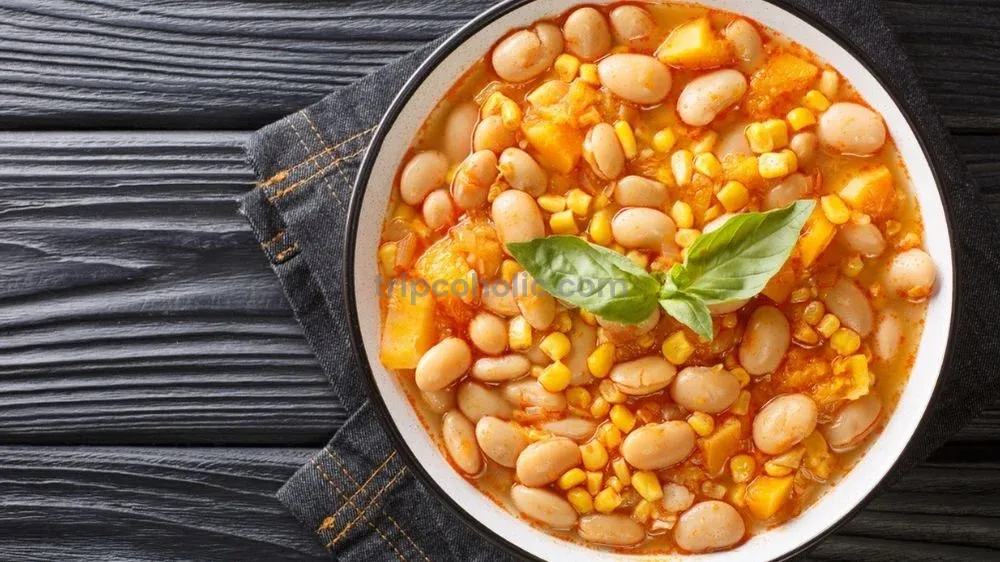
Fasolada is often called Greece’s national soup, and once you try it, you will understand the pride. White beans simmer slowly with onion, carrot, celery, and tomato until the broth turns velvety and deeply comforting. Olive oil is not an afterthought here, it is a finishing touch that adds roundness and a peppery glow. It is usually served with bread, olives, and maybe a bit of feta, turning a simple bowl into a complete, satisfying meal. In cooler months or after a windy ferry ride, fasolada is the kind of warmth that feels personal.
Varvakios Agora in Athens is a great place to chase traditional flavors because it sits close to the everyday rhythm of the city. Around the market area, you can find kitchens that cook like they are feeding regulars, not just tourists. Fasolada in these spots tends to be rich, olive oil forward, and served without fuss, which is exactly how it should be. Go earlier in the day for a calmer experience, then wander the stalls and let the smells guide you. It is a satisfying way to eat well and feel connected to local life at the same time.
Gemista: Stuffed Vegetables, Summer on a Plate
Gemista is what happens when ripe vegetables meet patient home cooking. Domates and biber are hollowed out and filled with herbed rice, sometimes with minced meat, then baked until the tops blister and the juices caramelize around the edges. Many cooks add potatoes to the pan so they roast in the vegetable juices, soaking up every bit of flavor. The taste is sweet, savory, and gently herbal, with a soft texture that still keeps a little bite. If you are exploring Greece local dishes in summer, gemista is one of the most memorable ways to taste the season.
Kleftiko: Slow Cooked Lamb with a Story
Kleftiko is lamb cooked until it falls apart, and it comes with a legend of hidden fires and stolen feasts. The meat is typically baked slowly with garlic, lemon, oregano, and potatoes, often sealed so it steams in its own juices. When it arrives, the aroma is intense and rustic, like herbs crushed between fingers and citrus zest warming in the sun. The lamb turns buttery, the potatoes become golden and soft, and the whole plate feels like a celebration of patience. For anyone asking what to eat in Greece beyond the obvious, kleftiko is a must.
Sagánaki: The Sizzling Cheese Starter
Sagánaki is the kind of starter that makes a table instantly happier. A slice of cheese, often graviera or kefalotyri, is pan fried until the outside turns crisp and the inside goes stretchy and molten. It is usually finished with a squeeze of lemon, which cuts through the richness and makes the flavor pop. The texture contrast is the whole game here, crunchy edges, creamy center, and that salty, nutty cheese taste that begs for another bite. In a Greece food guide, sagánaki is the perfect “share it first, order another later” plate.
Loukoumades: Honey Drenched Bites of Joy
Loukoumades are little fried dough balls that arrive steaming, glossy, and impossible to resist. They are drizzled with honey and sprinkled with cinnamon, sometimes topped with crushed nuts or a spoon of thick yogurt. The outside is crisp and golden, while the inside stays airy and soft, so each bite feels light even when it is sweet. You often eat them warm with fingers, which somehow makes them taste even more nostalgic and fun. If your “what to eat in Greece” plan includes desserts, loukoumades deserve a dedicated stop.
Oia Village in Santorini is famous for sunsets, but it is also a lovely place to chase a warm dessert after the sky turns pink. Walking its paths at night, you will find plenty of cozy spots where sweet treats feel like part of the island mood. Loukoumades here pair beautifully with the cool evening air and a slow post dinner stroll. Try them while they are fresh from the fryer, because the contrast of crisp and fluffy is at its best in the first minutes. It is a simple pleasure that fits the island’s romantic pace perfectly.
Ouzo: The Anise Scented Aperitif
Ouzo is not just a drink, it is a ritual that signals the start of long conversation. This anason flavored spirit is usually served with a little water and ice, turning cloudy as it opens up its aroma. The taste is bold at first, then surprisingly smooth when you sip it slowly alongside small meze plates. Greeks rarely drink it alone, because the whole point is pairing it with salty bites like olives, seafood, and cheese. For a Greece food guide that includes the social side of eating, ouzo is the sip that teaches you to linger.
Ladadika District in Thessaloniki is a great place to experience the meze culture that ouzo was made for. The neighborhood feels lively, especially in the evening, with tables that fill up and music that floats down the street. Order ouzo and a few small plates, then let the meal unfold slowly rather than rushing through it. You will notice how the drink becomes softer and more aromatic when paired with briny, lemony, or fried flavors. It is a satisfying way to close a day of exploring and understand the rhythm of northern Greece.
Greece rewards curious eaters, because every region adds its own accent to the same beloved ingredients. If you follow this Greece food guide and taste your way from souvlaki to kleftiko, from horiatiki to loukoumades, you will start recognizing the country’s flavors like familiar friends. The best part is that these are not “special occasion” foods, they are everyday pleasures, which makes them easy to find and even easier to love. Keep your plans flexible, ask locals what they are eating today, and trust the small places that smell like olive oil, oregano, and warm bread. When you are ready to plan the rest of your trip, you can continue with a “Greece Travel Guide” and a “Places to Visit in Greece” article to match your food stops with beaches, ruins, villages, and sunset walks. And if you leave with a suitcase that smells faintly of herbs, that is just Greece doing what it does best.